
















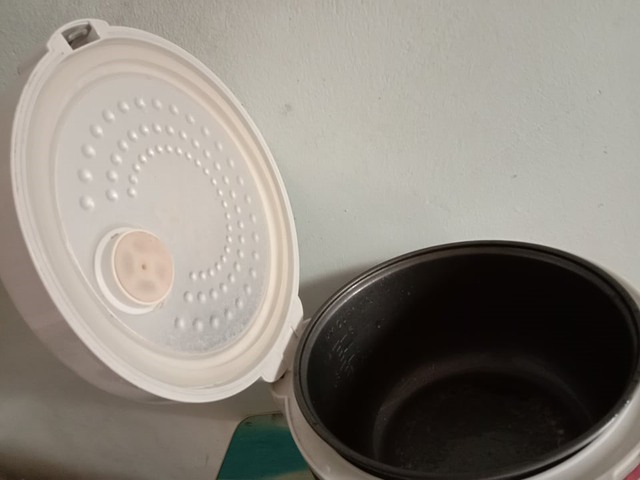
First, wash the inner pot with dish soap to ensure no food residue or grease remains. If the pot has a non-stick coating, gently wipe it with a clean, dry cloth from the outside in, including the bottom.
For pots without a non-stick coating, soak them in clean water for about 30 minutes, then rinse and dry thoroughly.
Cleaning the Lid
During cooking, steam rises and escapes through the lid. Over time, neglecting to clean the lid, especially in snap-on or induction rice cookers, can lead to unhygienic conditions, potentially affecting your health and your family’s.
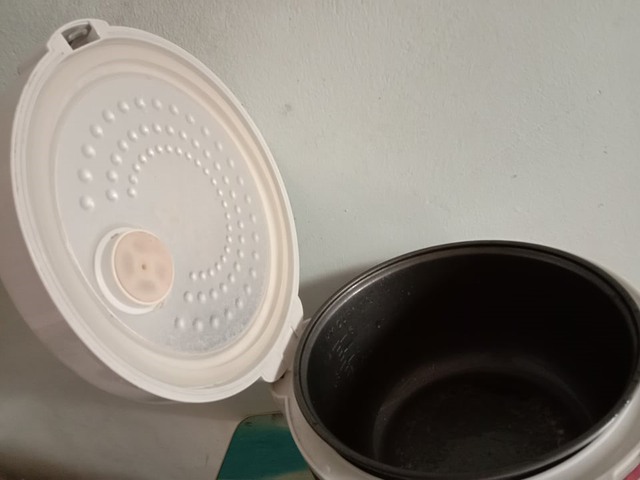
Proper cleaning extends the lifespan of your rice cooker and ensures safe usage.
For Removable Lid Rice Cookers
Removable lid rice cookers are the easiest to clean. Simply wash the lid with water, then wipe it dry with a clean cloth from the inside out, paying attention to corners and edges.
For Electronic and Induction Rice Cookers
Some electronic rice cookers have removable lids, while others do not. If the lid is fixed, use a dry cloth to wipe it clean. For removable lids, detach them for easier cleaning.
Induction rice cookers typically have a button on top to release the lid. After removing the lid, wipe both sides with a clean, dry cloth to prevent stains. Don’t forget to clean the steam collection box located behind the lid.
Cleaning the Heating Plate
Induction rice cookers lack a heating plate, so this step isn’t necessary. However, for other types of rice cookers, this step is crucial.
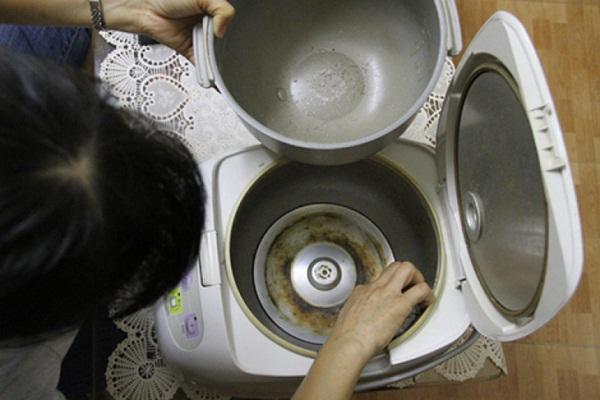
Regularly clean the heating plate to prevent bacterial buildup.
Since you can’t immerse the entire rice cooker in water, follow these steps: First, wipe the heating plate with a damp cloth. Then, apply 5-6 drops of vinegar to a sponge and scrub the plate for 15 minutes. Finally, wipe it again with a damp cloth.
Cleaning the Exterior
The final step is cleaning the exterior. This is essential, as grease splatters and dust can accumulate on the outer surface.
Wipe all exterior surfaces with a damp cloth, focusing on crevices where dirt collects. Finish by drying with a clean cloth.
DIY Cleaning Solution
For easier cleaning, create a homemade solution using toothpaste and vinegar. These simple ingredients make an effective cleaner for pots and pans.
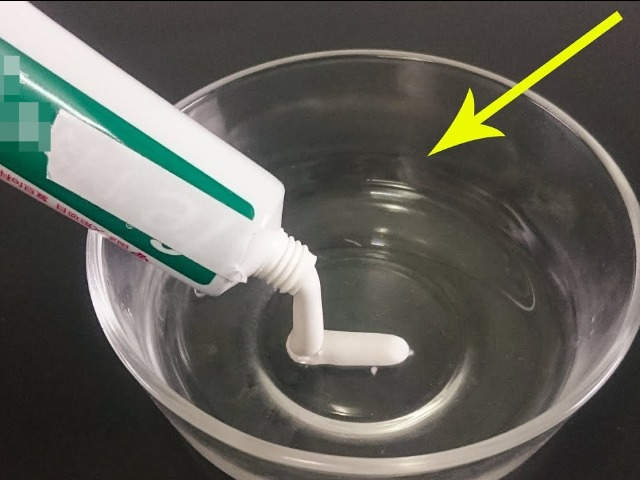
Combine toothpaste, vinegar, and water in a container, then mix well.
For stubborn stains, spray the solution, let it sit for 1-2 minutes, then wipe with a clean cloth. Repeat until the stain disappears.
The Ultimate Guide to a Sparkling Rice Cooker: 4 Bacteria-Prone Areas to Clean Monthly
A thorough cleaning of each component is essential to maintain the rice cooker’s pristine condition, optimize its performance, and ensure food safety. Neglecting any of these four critical areas can result in a buildup of grime and bacteria, compromising the appliance’s longevity and the hygiene of the food prepared.
The Ultimate Guide to Deep Cleaning Your Rice Cooker: A Sparkling Transformation
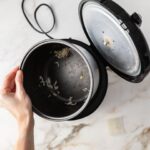
Maintaining the cleanliness of your electric rice cooker, both inside and out, is essential for prolonging its lifespan and ensuring safe and healthy cooking. However, many people are still unaware of the proper and efficient methods to do so.
The Ultimate Guide to Mastering Your Rice Cooker: 4 Secret Spots for Tastier Rice and Faster Cooking
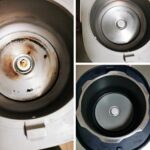
If only I had known this earlier, I could have saved a fortune on my monthly electricity bills.
The 3 Hidden Switches in Your Rice Cooker: Flip Them Weekly to Halve Your Electricity Bill
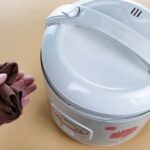
With this simple hack, you can restore the electrical conductivity of your rice cooker, resulting in quicker and more efficient cooking.
“Is Your Rice Cooker Ruining Your Rice? Check This Part to Improve Your Cooking Game”
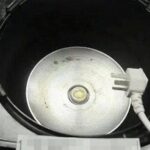
The heating element, also known as the “hotplate” or “heating coil,” is a crucial component of your rice cooker, responsible for generating the heat that cooks your rice perfectly. It’s similar in function to an electric stove, but designed specifically for your rice cooker, ensuring even and efficient heating for that perfect batch of fluffy rice every time.