






















How to Choose Fresh and Delicious Squid
Avoid squid with peeling skin: Squid that has been stored for too long or soaked in water often has patchy, pale skin and tender meat when cooked.
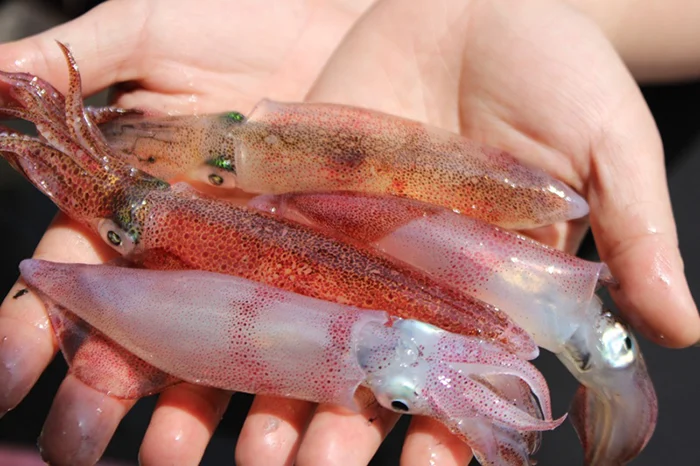
Opt for squid with a translucent body, firm flesh, bright eyes, and a slight bounce when pressed—avoid those that are too soft or dark purple.
Freshly caught squid typically has a translucent body that changes color in cycles from translucent to white to pale pink. This “color flashing” stage is when the squid is at its freshest.
If fresh squid is unavailable, choose squid that has been flash-frozen at its peak freshness. When thawed properly, it retains its sweetness and crispness.
Avoid squid that has been soaked in water or stored in ice for too long. Squid absorbs freshwater easily, increasing its weight artificially but resulting in watery, soft, and less crispy meat when cooked.
How to Boil Squid for Perfectly Plump Results
Preparation:
Fresh squid, ginger, lemongrass, betel leaves (optional)
Steps:
Crush or slice the ginger, peel and bruise the lemongrass. These ingredients help eliminate the fishy odor and enhance the squid’s aroma during boiling.
Add water to a pot, along with ginger, lemongrass, and betel leaves (if using). Ensure there’s more water than squid, as the squid will expand when cooked.
Once the water boils vigorously, gently add the squid. Avoid stirring vigorously to prevent the tentacles from falling off.
Cover the pot and wait for the water to boil again. Add more betel leaves for extra aroma if desired.
Boiling time depends on squid size: 1 minute for small squid, 2 minutes for medium, and 3 minutes for large squid after the water reboils. Alternatively, observe until the squid becomes plump and turns opaque white.
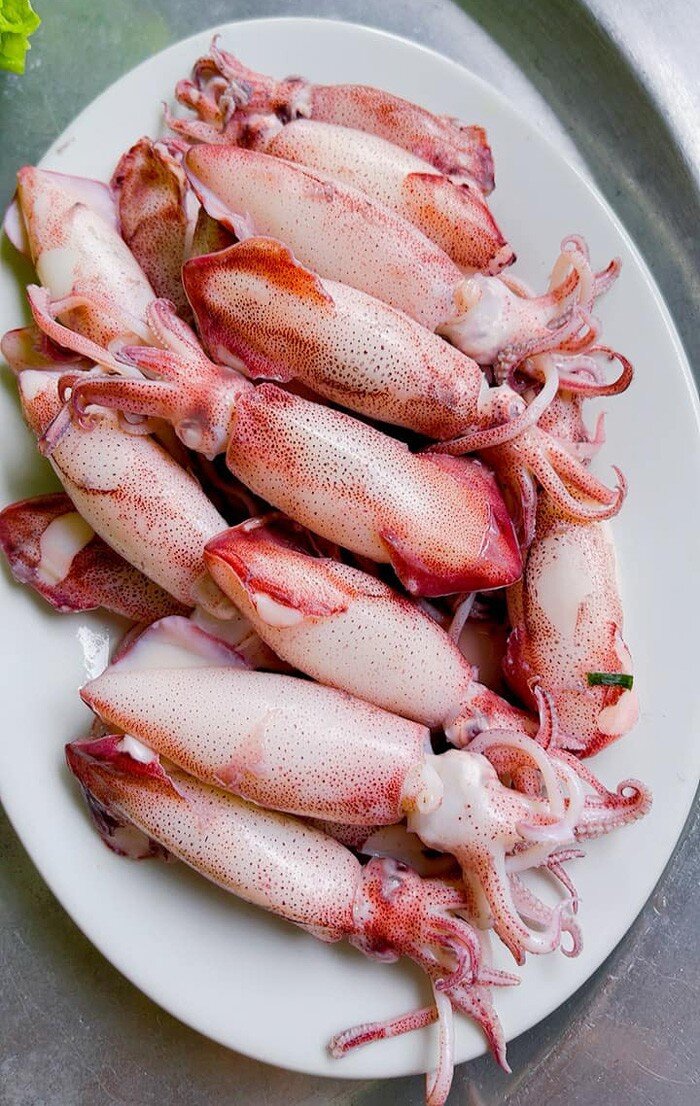
Remove the squid immediately to prevent it from becoming tough. For extra assurance, add 30 seconds to 1 minute, but avoid overcooking as the squid will shrink and lose its crispness.
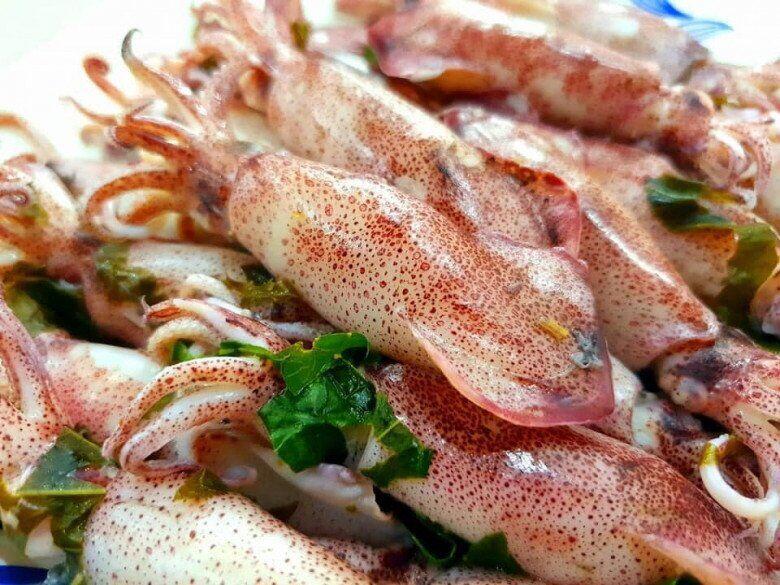
A simple tip many use is adding a bit of chili sauce and a squeeze of lime to the boiling water for extra flavor and crispness. Give it a try and see the difference!
For additional tips, watch this video on cleaning fresh squid (source: CookingAddiction)
The Ultimate Guide to Steaming Squid: Achieving Tender, Succulent, and Flawless Results

“The key to perfectly cooked, tender, and delicious squid lies in a few simple techniques. With these tips, you’ll be able to transform this humble seafood into a mouth-watering dish that’s free of any fishy taste or smell. It will look so appetizing that your guests will be begging for more.”
The Ultimate Guide to Choosing the Freshest, Firmest Squid

“Selecting the freshest, firmest squid is now a breeze with these handy tips and tricks. Learn the secrets to choosing the best squid and impress your guests with your culinary prowess.”
The Ultimate Guide to Boiling Squid: Achieve Crisp, Juicy, and Tasty Results Every Time

To cook a delicious, crispy, and juicy pot of fresh squid, a little secret is needed, and not many people know it.
“How to Choose Fresh and Safe Squid: Avoid Bleached Squid”

The unscrupulous practice of selling spoiled squid is rampant in markets, where vendors prioritize profit over consumer safety. These vendors treat squid with chemicals to mask the spoilage, making it appear fresh and selling it at a lower price to attract unsuspecting consumers. The treated squid has a dull white color and low elasticity, and even though the offensive odor is removed, a faint but unpleasant smell remains.
The Secret to Crispy, Tender, and Delicious Squid: A Flavorful Experience You’ll Never Forget

With this foolproof recipe for odorless braised squid, you’ll be able to create a mouthwatering dish that will leave a lasting impression.