











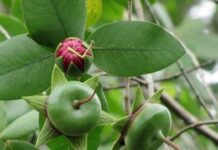
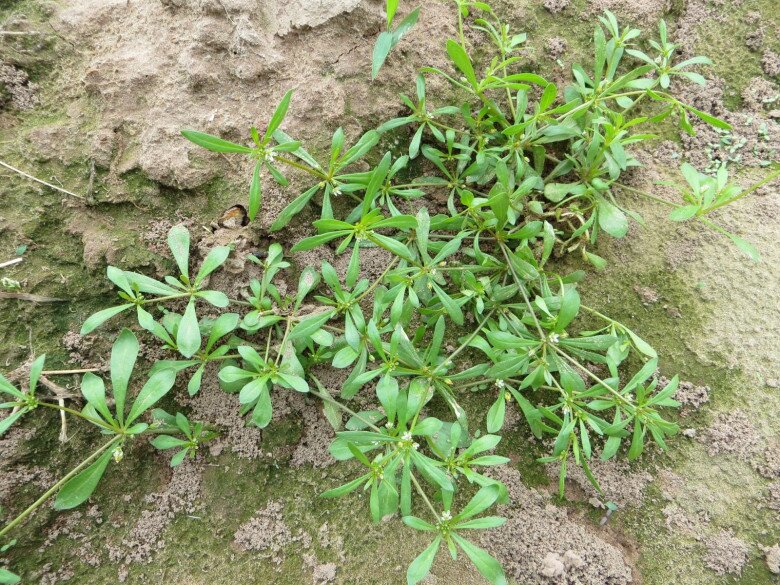
Glinus oppositifolius (L.) DC., commonly known as Sweet Leaf or Globe Weed, is a perennial herb with slender, prostrate stems. Its leaves are arranged in whorls, lanceolate in shape, with tiny stipules that fall off early. The flowers grow in clusters of 2-5 at the leaf axils, pale green in color, and borne on long peduncles. The fruit is a capsule that opens along the side, revealing kidney-shaped seeds.
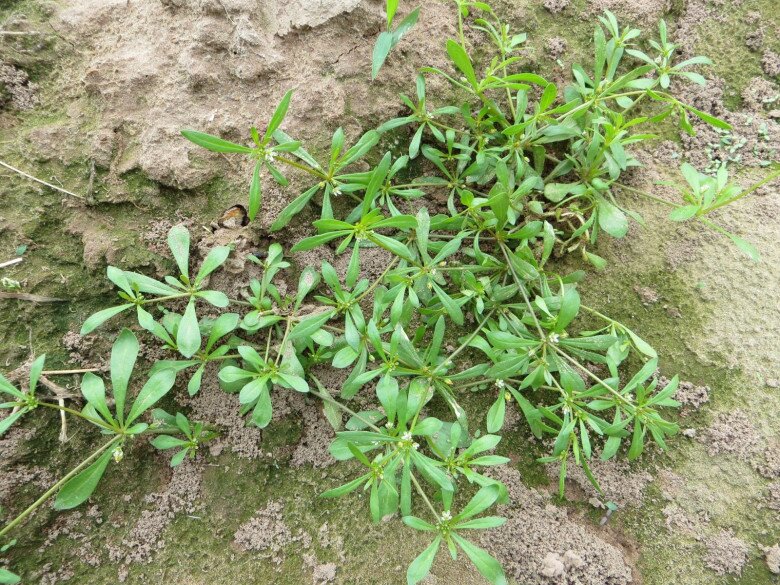
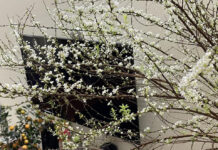
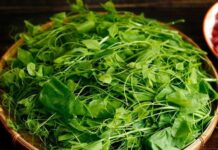
This wild herb, often found around homes, offers numerous health benefits (Illustrative image)
Sweet Leaf thrives in dense clusters on vacant lots, roadsides, ponds, and ditches. It resembles purslane but with smaller leaves and stems, and is closely associated with the cultures of Southern Vietnam and South Central Coast regions.
In the culinary traditions of the Mekong Delta, Sweet Leaf is often paired with dishes like snakehead fish porridge or climbing perch hotpot. Though easily found, it’s rarely sold in markets; locals typically gather it themselves, wash it, and cook it in soups. Its initial bitterness gives way to a memorable sweetness as it slides down the throat.
“I fondly recall Sweet Leaf cooked with snakehead fish porridge. At first, it’s quite bitter, but the aftertaste is sweet and lingering. It’s best not to overcook it, as it becomes tough and more bitter,” shares Tâm from Cà Mau.
Once a humble ingredient in rural meals, Sweet Leaf has now become a sought-after delicacy. Online marketplaces offer fresh Sweet Leaf for approximately 30,000 – 90,000 VND/kg, depending on type, quality, and location. Dried Sweet Leaf fetches similar or slightly higher prices, ranging from 43,000 – 70,000 VND/kg.
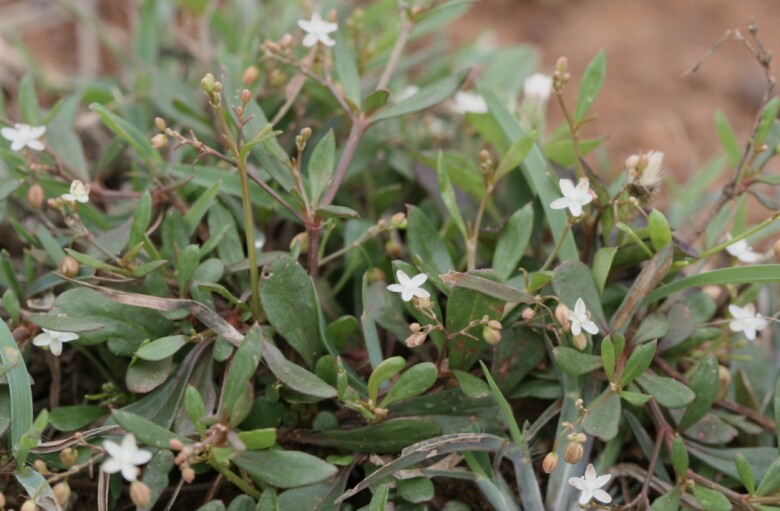
Sweet Leaf is now a popular choice for health-conscious consumers (Illustrative image)
Beyond its unique flavor, Sweet Leaf boasts significant health benefits. Its primary chemical constituents include Saponin, Flavonoid, and Triterpenoid. The leaves contain spergulagenic acid, a saturated triterpenoid sapogenin, spergulagenin A, and a tri-hydroxy ketone. The roots house glucosides like spergulatriol, spergulagenol, and spergulagenin A. Additionally, it contains minerals such as iron (Fe), sulfates, chlorides, nitrates, and calcium (Ca).
In traditional Vietnamese medicine, Sweet Leaf is valued for its anti-inflammatory, antiseptic, detoxifying, and diuretic properties. It’s used to treat digestive issues like constipation and dysentery, as well as urinary tract conditions such as painful urination, bladder inflammation, kidney stones, and edema from kidney inflammation. Folk remedies also use it to treat liver inflammation, cool the liver, and detoxify the body effectively.
Modern medicine highlights the following health benefits of Sweet Leaf:
+ Supports urinary and respiratory systems
Sweet Leaf acts as a diuretic, alleviating urinary discomfort and kidney stones, while also reducing inflammation. It functions as an expectorant, loosening mucus in the bronchi, dissolving thick phlegm, and clearing airways, making it beneficial for bronchitis and sinusitis sufferers.
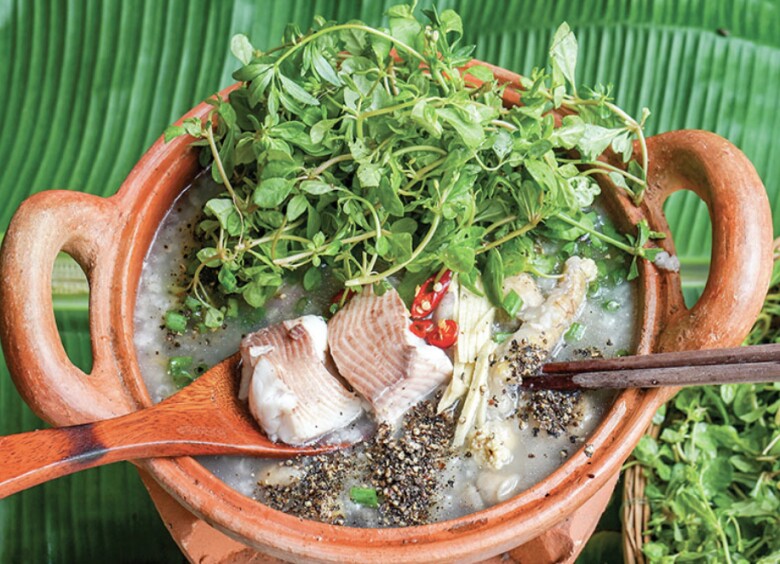
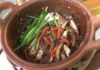
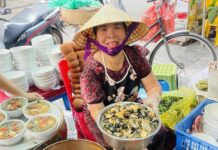
Sweet Leaf is a signature ingredient in snakehead fish porridge, a beloved dish in the Mekong Delta (Illustrative image)
+ Antiseptic properties, wound healing, and skin benefits
Sweet Leaf’s antiseptic qualities accelerate the healing of stubborn wounds. It also promotes skin oil production, hydrates dry skin, eliminates toxins, and boosts collagen and elastin for skin elasticity.
+ Enhances cognitive function
Sweet Leaf stimulates brain activity, improving focus and memory. It triggers new biochemical reactions that reduce oxidative stress in the brain, keeping seniors mentally sharp.
+ Reduces stress and anxiety
Chewing 2-3 stems of Sweet Leaf can alleviate stress and anxiety by balancing hormones, particularly those linked to tension, fostering calmness and relaxation.
+ Boosts the immune system
Sweet Leaf strengthens immunity, combating pathogens, viruses, and bacterial infections. Its leaves are believed to neutralize reactions, preventing seizures and neurological disorders like bipolar disorder and neuralgia.
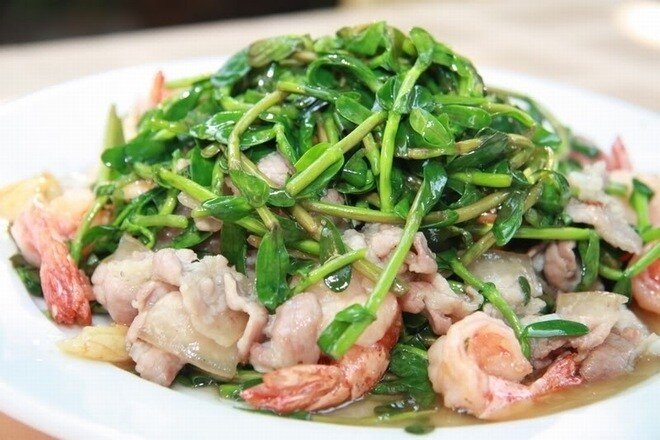
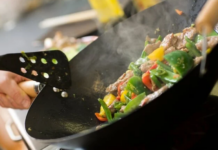
Sweet Leaf can be prepared in various dishes, enhancing both flavor and health benefits (Illustrative image)
– Precautions when using Sweet Leaf:
Pregnant women should use Sweet Leaf cautiously. Animal studies suggest it may induce uterine contractions and prolong blood clotting, increasing hemorrhage risks.
While beneficial for constipation, Sweet Leaf can cause diarrhea in those with sensitive stomachs.
Sweet Leaf remedies are for reference only; consult a doctor before use.
The Tasty Terror of the West: Delicacies that Scare the Squeamish and Delight the Daring, Including a Certain Celebrity.

The cuisine of the Mekong Delta is not only renowned for its rustic, countryside charm but also for its unique delicacies that have left diners both intrigued and bewildered: field mouse and coconut worm. These seemingly unappetizing dishes are, in fact, considered the region’s culinary gems, beloved by locals and adventurous foodies alike, including celebrities such as Ngoc Trinh.
“The Hidden Gem of An Giang: A Breathtaking Creek in the Heart of the Forest”

Nestled in the Tịnh Biên district, this enchanting stream attracts tourists during the 5th to 7th lunar months annually. Its pristine beauty, majestic grandeur, and enigmatic charm create a unique and captivating experience, making it a must-visit destination for those seeking an adventure off the beaten path.
The Forgotten Fruit: A Tasty Treat Rediscovered
Sour in taste, this fruit is a culinary staple in the An Giang province, used as a key ingredient in many specialty dishes. In recent years, it has gained popularity beyond the region, finding its way into restaurants and eateries, and capturing the taste buds of near and far.
The Miracle Tree of Vietnam: Nature’s Sweetener with an Astonishing Ability to Lower Blood Sugar.
Did you know that there is a tree in Vietnam that boasts a natural sweetness superior to sugar, while also possessing the ability to aid in the treatment of diabetes?
Steal the Secret to Making “Che Keim”, the Delectable Dessert of the Mekong Delta
Introducing the ultimate guide to making Che Kiesu, the beloved Vietnamese dessert that has captured the hearts of many. With our easy-to-follow recipe, you can now recreate this mouthwatering treat in the comfort of your own home. Impress your family and friends with your culinary skills and transport them to the vibrant lands of Vietnam with every bite. Get ready to indulge in a burst of flavors and immerse yourself in a truly unforgettable culinary experience.