
















In reality, getting a hair wash at a salon not only offers a relaxing experience with skilled massaging hands but also leaves your hair deeply cleansed and remarkably smooth. This has led many to believe that hairstylists must be keeping some special secrets up their sleeves.
If you’re observant, you’ll notice one of these secrets lies in the hair drying technique. After washing, stylists typically use a hot dryer first, followed by a blast of cold air. But what’s the difference between this hot-to-cold method and simply using hot air alone?
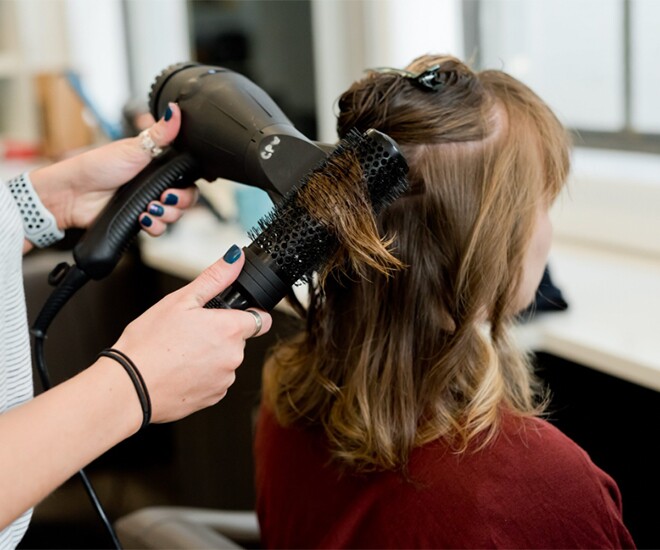
At salons, your hair is typically dried with hot air first, followed by cold air.
According to experts, the final cold drying step plays a crucial role, offering surprising benefits for your hair.
1. Seals the Hair Cuticle
The cold air finish isn’t just a formality; it’s a key step in hair care and styling. Hair stylist María Roberts explains, “Cold air prevents heat damage to the cuticle while sealing it after hot drying, resulting in a naturally smooth and shiny finish.”
Even if your hair is already dry from the hot air, a cold air “lock”—especially when directed from top to bottom—helps flatten the cuticle, making hair sleeker and more reflective.
María adds, “A common mistake when styling wavy hair is letting it down before using cold air. The hot air can disrupt the wave pattern, causing the style to lose its shape quickly.”
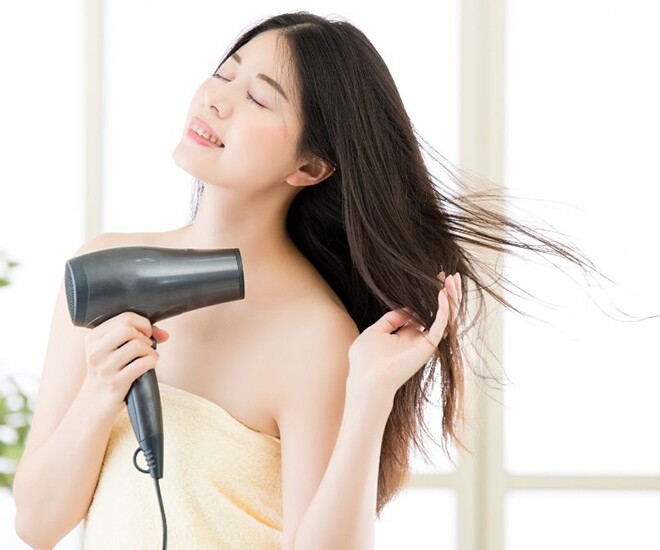
Cold drying seals the hair cuticle, leaving it smooth and sleek.
2. Sets the Style and Enhances Shine
Beyond sealing the cuticle, cold air is a powerful tool for setting styles and boosting natural shine. When finished with cold air, hair not only looks smoother but also resists frizz, especially beneficial for fine, fragile, or frizzy hair types, particularly in humid conditions.
“I often use cold air at the roots, especially when creating high buns or styles that need to stay put. It’s incredibly useful in humid environments like the beach, where hair tends to frizz and lose shape,” shares María Roberts.
No need for complex styling products—a timely burst of cold air can “lock in” your hairstyle, maintaining its natural shape and preventing unruly frizz.
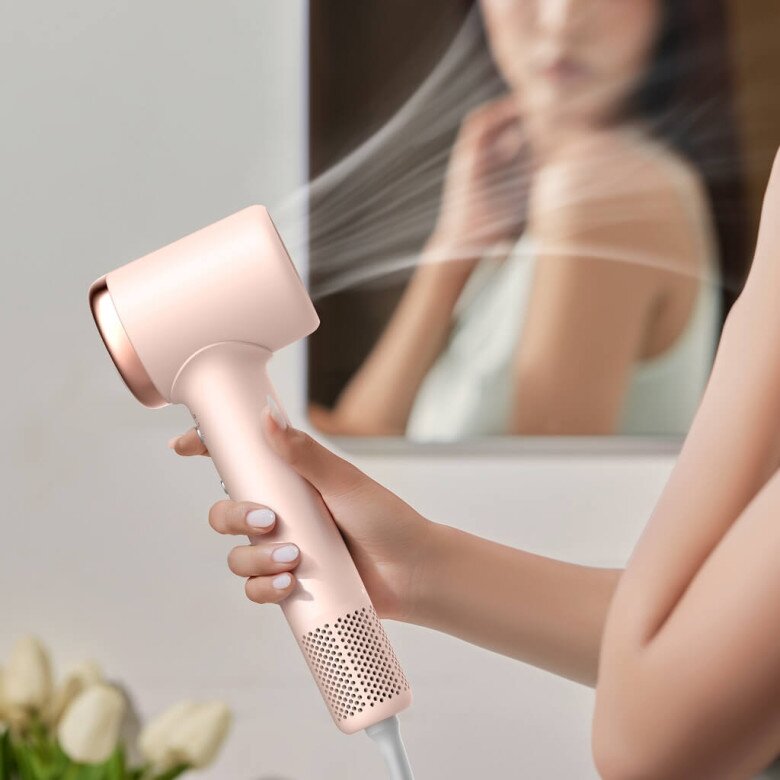
This step also sets the hairstyle, keeping it in place.
Salon-Quality Hair Drying Tips for Soft, Voluminous Hair at Home
Ever wondered why your hair looks shinier and more styled after a salon visit compared to drying it at home? The secret isn’t expensive products but proper drying techniques. Here are expert-approved tips for salon-worthy hair at home:
1. Section Your Hair Before Drying
Never dry tangled or unevenly distributed hair. Divide your hair into 4–6 small sections for easier and more effective drying. For thick or long hair, use clips to manage each section and prevent tangling during drying.
2. Maintain a Safe Distance While Drying
To avoid hair damage, keep the dryer 15cm away from your scalp. This distance ensures even heat distribution, minimizing heat-related damage to your hair and scalp.
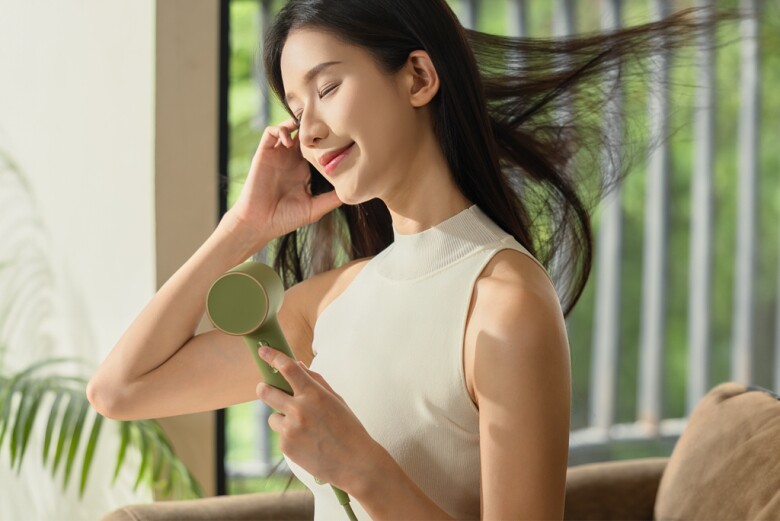
Proper drying technique and distance are key to smooth, shiny hair.
3. Dry in the Right Direction to Preserve Hair Quality
Avoid drying from top to bottom or against the hair’s natural direction. Instead, dry from roots to ends, following your hair’s natural flow. This keeps the cuticle smooth, enhancing shine and reducing tangles.
4. Keep the Dryer Moving
Don’t hold the dryer in one spot for too long, as this can dry out and damage your hair. Continuously move the dryer, gently gliding it over each section to distribute heat evenly and prevent overheating.
5. Retain Some Moisture
Avoid drying your hair completely. Leave 10–15% moisture to prevent brittleness and frizz. Slightly damp hair better absorbs conditioners or serums applied afterward.

Retain some moisture before applying conditioner for better absorption.
6. Finish with Cold Air
After hot drying, switch to cold air to lock in moisture and seal the cuticle. Cold air adds shine, volume, and hold. Gently moving the dryer in cold mode also massages the scalp, promoting blood circulation and relaxation.
7. Choose the Right Dryer
The dryer itself is crucial. Opt for ionic dryers, which balance hair charge, retain moisture, reduce static, and leave hair softer after each use.
A small tip with big results: Drying hair at home isn’t difficult—with a bit of patience and the right techniques, you can achieve salon-quality softness and style without weekly visits!
“4 Common Hair Washing Habits That Are Actually Damaging Your Hair”

Some seemingly harmless habits during hair washing can actually be the culprits behind increasingly weak, dry, and brittle hair that’s prone to breakage and excessive shedding.
Preventing is Better than Curing: 6 Habits to Avoid Dry and Split Ends Without Breaking the Bank
Introducing an affordable and effective solution to revive your hair: with a few simple tweaks to your daily hair care routine, you can say goodbye to those pesky split ends. It’s time to unlock the secret to healthy, luscious locks without breaking the bank.
How to Achieve Smooth, Healthy and Strong Hair with Blow Drying: A Guide
Are you looking to keep your hair looking healthy and beautiful without risking it getting damaged from incorrect hairdryer use? Look no further, as Ði?n máy XANH has some tips and tricks for using a hairdryer to get optimum results!