
















1. Pears
Numerous studies highlight that pears support respiratory health. Natural compounds in fresh pears help alleviate chest tightness, soothe the airways, increase lung moisture, and cool the heart.
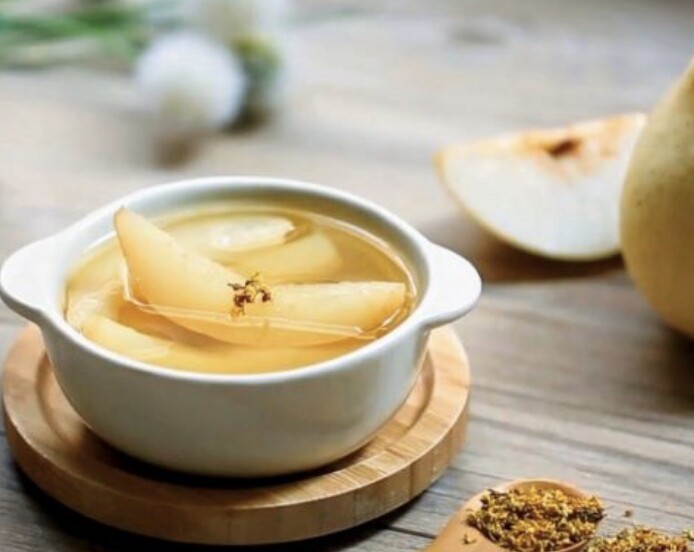
Pears offer numerous health benefits and are often referred to as the “lung vacuum cleaner” (Illustrative image)
In traditional medicine, pears, with their cool nature and sweet-sour taste, are often stewed with rock sugar, ginger, or cooked in soups to nourish the lungs. To prepare pears with rock sugar, hollow out a pear, fill it with rock sugar, and simmer in 70% water over low heat.
Regular pear consumption can prevent fatigue, sore throat, gum inflammation, dark urine, constipation, red eyes, and high blood pressure. However, due to their cooling nature, individuals with cold-induced abdominal pain or diarrhea should avoid pears.
2. Sugarcane
In traditional Eastern medicine, sugarcane is sweet, cool, and benefits the lungs and stomach. It clears heat, promotes fluids, soothes dryness, and nourishes the lungs and stomach. It’s used to treat respiratory issues, high fever, detoxification, urinary difficulties, constipation, bloating, and digestive discomfort.
Traditional Chinese medicine also believes sugarcane enters the lungs and stomach, effectively clearing heat, promoting body fluids, and nourishing these organs.
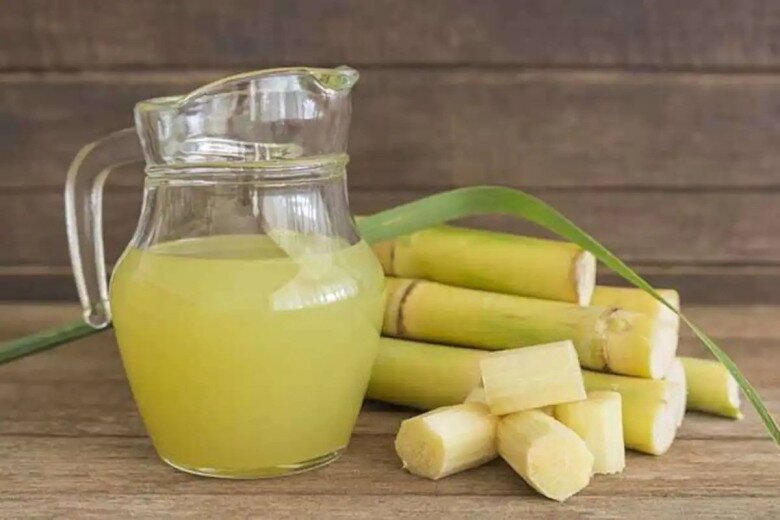
Individuals with diabetes should limit sugarcane juice consumption (Illustrative image)
While sugarcane is a “longevity elixir” beneficial for the lungs, it’s not suitable for everyone, especially diabetics. High in natural sugars like sucrose, fructose, and glucose, sugarcane can cause blood sugar spikes. Those with weak digestion, pregnant women, and individuals with kidney issues should also consume it cautiously.
3. Lotus Root
Lotus root is ideal for nasal allergy sufferers. It cleanses the respiratory system, clears alveoli, bronchi, and bronchioles, eliminates phlegm, purifies the lungs, and reduces mucus buildup and coughing.
Rich in vitamin C, lotus root boosts immunity against weather-related discomforts. Its fiber content also helps cleanse the lungs.
Cooked lotus root benefits the spleen, stomach, and heart, promoting calmness and longevity. However, raw lotus root can worsen symptoms in those with weak spleen, cold stomachs, or diarrhea.
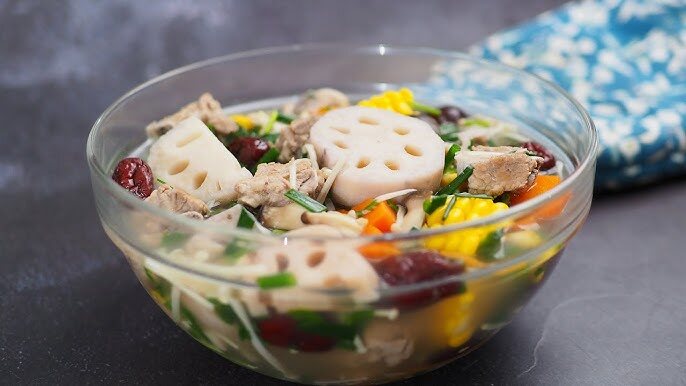
Lotus root is a “superfood” with numerous health benefits (Illustrative image)
4. Mung Beans
Mung beans are rich in antioxidants, antimicrobial, anti-inflammatory, blood pressure-lowering, and anti-diabetic properties. They’re also high in protein and fiber, promoting overall health.
Mung beans cool and detoxify the body, cleanse the lungs, and protect the liver and kidneys. However, they should be consumed sparingly in cold weather or by those with cold constitutions.
5. Daikon Radish
Daikon radish is known as “winter ginseng” or “the poor man’s ginseng.” Modern medicine notes that 100g of daikon contains 1.4g protein, 3.7g carbs, 1.5g fiber, 40mg calcium, 41mg phosphorus, 1.1mg iron, and vitamins B1, B2, PP, and C. Traditional Eastern medicine describes it as sweet, slightly spicy, bitter, neutral, and non-toxic.
Daikon is rich in antioxidants like catechin, pyrogallol, vanillic acid, and phenolic compounds. Its high vitamin C content protects the lungs from damage.
Studies show daikon can counteract respiratory allergens, protect airway linings from infection, promote diuresis, relieve constipation, and treat lung disorders. It also prevents irritation of the nasal mucosa, throat, trachea, and lungs.
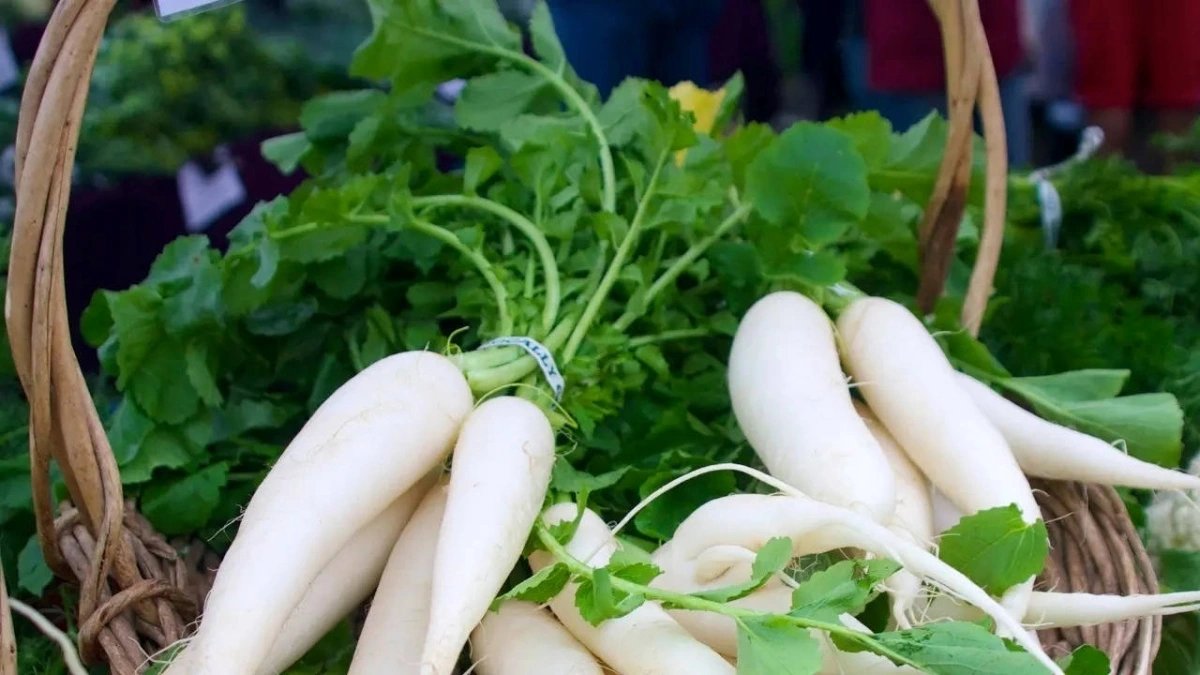
Regular, moderate daikon consumption strengthens the lungs daily (Illustrative image)
Despite being a “superfood,” daikon should be avoided by those with digestive issues or weak constitutions. Its spiciness can irritate the stomach lining, causing damage. Individuals with weak constitutions may experience diarrhea due to its cooling nature, discomforting the digestive system.
Two Pesticide-Light Fruits and Veggies: The First, a Budget “Ginseng” Packed with More Nutrients Than Meat or Fish
Amidst growing concerns about the high cost and potential chemical residues in leafy greens, many are turning to root vegetables and fruits as safer alternatives. However, not all root vegetables and fruits are inherently safe. Selecting the right ones to ensure both nutritional value and health safety for the entire family remains a top priority for every homemaker.
Beijing Soy Milk: A Famous Delicacy Not Everyone Enjoys
Unveil the secrets of Beijing’s iconic soybean milk, a bold and distinctive flavor that dares you to take a sip. Discover what makes this traditional beverage an unforgettable experience!
Hanoi’s Wild Vegetable Sticky Rice: Top 5 Authentic Spots Serving Decades of Deliciousness

Awaken your senses to the quintessential Hanoi experience with a bowl of *xôi khúc*. Imagine the first light of dawn casting a soft glow over the city as you savor the perfect harmony of flavors—the sticky sweetness of glutinous rice, the earthy richness of mung beans, the savory bite of pork belly, and the subtle, aromatic whisper of *lá khúc*. It’s a taste that lingers, a memory that endures, and a culinary masterpiece that defines the soul of Hanoi’s mornings.
“Top 5 Autumn Superfoods to Boost Liver Health and Enhance Overall Well-being Daily”

A healthy liver is the cornerstone of sustained energy, radiant skin, and a robust immune system. As autumn arrives, it brings an abundance of fresh, seasonal foods that act as nature’s own remedies, offering powerful protection for your liver.
4 Fall Vegetables That Are Naturally Low in Pesticides and Delicious, Too
Fall is the season of bountiful and nutritious produce. There are four particular types of vegetables that stand out for their natural pest resistance, making them healthier choices and a great way to add variety to your meals.