















Dr. Bui Dac Sang, a renowned medical scientist and traditional medicine practitioner from the Vietnam Academy of Science and Technology and the Hanoi Traditional Medicine Association, emphasizes the importance of safeguarding health during seasonal transitions. Beyond dressing warmly, staying hydrated, and protecting the respiratory system, incorporating specific foods can prevent and support the treatment of illnesses in children. Among these, Dr. Sang highlights the remarkable benefits of chives, an affordable and readily available herb.
Chives are commonly grown in households or sold in markets for just a few thousand dong per bunch. Their versatility extends to treating various ailments such as coughs, fever, stomachaches, and the common cold.

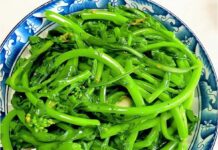
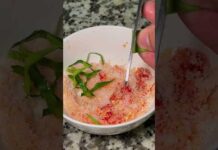
For mild cases of coughs, fever, and colds in children, natural remedies can be effectively combined to aid recovery. Illustrative image.
In traditional medicine, chives, known as “phỉ thái,” have a spicy, sweet flavor and warm properties. They are believed to strengthen the spleen, warm the stomach, regulate qi, and dissolve stagnation, making them effective in treating chest pain, hiccups, and injuries. Modern research confirms that chives are rich in vitamins and minerals, particularly vitamin C and calcium. These nutrients enhance antioxidant capabilities, boost immunity, combat colds, and support bone health, preventing osteoporosis.
Additionally, chives are high in potassium, which helps balance sodium-potassium levels, thereby reducing blood pressure. Certain compounds in chives inhibit cholesterol absorption, lower blood lipids, and reduce the risk of cardiovascular diseases. Their high fiber content stimulates intestinal movement, aids digestion, prevents constipation, and promotes toxin elimination, ensuring a healthy gut.
Dr. Sang underscores that chives contain potent natural antibiotics, making them especially beneficial for children during seasonal changes. Chives can be prepared in various ways, such as extracting their juice, combining them with other foods, or consuming them raw.
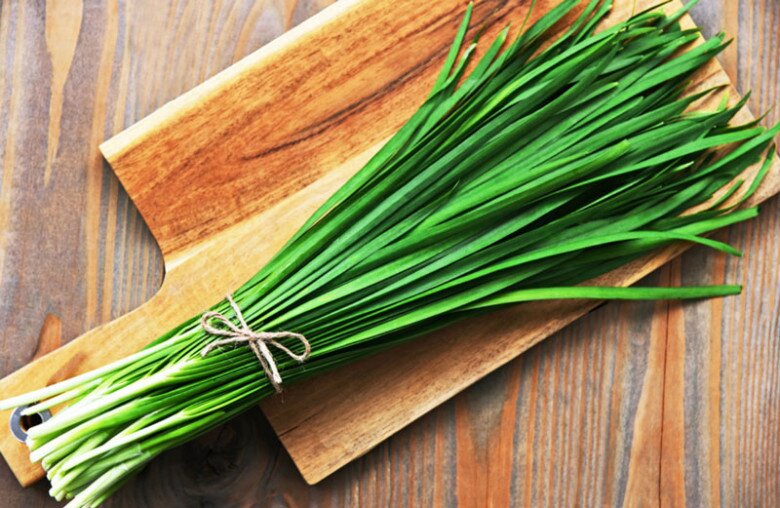
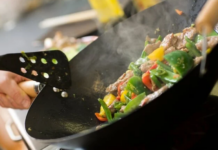
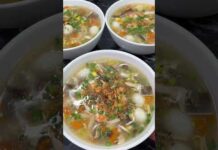
Despite their low cost, chives offer immense health benefits, particularly during colder seasons. Illustrative image.
To alleviate coughs, Dr. Sang recommends finely chopping a handful of chives and stewing them with rock sugar. Alternatively, steaming 100 grams of chives with pure honey is highly effective for treating coughs and colds. Chives possess strong natural antibiotic properties, while honey has anti-inflammatory, antiseptic, and antibacterial qualities, making this combination ideal for respiratory issues. However, this remedy is not suitable for infants under one year old; instead, use chives with rock sugar as mentioned earlier.
Chives are also effective in treating diarrhea and stomachaches. Boil a handful of chives, half a handful of scallions, and a handful of rice in two cups of water. Add a bit of tangerine peel, pepper, ginger, and salt, and consume on an empty stomach. For food poisoning, extract the juice from a handful of mashed chives and drink it.
For individuals weakened by chronic illnesses, chive seeds can be combined with other herbs for treatment. The formula includes 16g chive seeds, 24g Chinese matrimony vine, 6g sappan wood, 24g Japanese dodder, 6g siler, 16g Chinese wolfberry, 16g lily seeds, 24g goji berries, 6g schisandra, 24g epimedium, 48g Chinese yam, and 48g rehmannia. Decocted daily in three doses over five days, followed by a three-day break, and repeated for two more cycles, this regimen yields significant results.
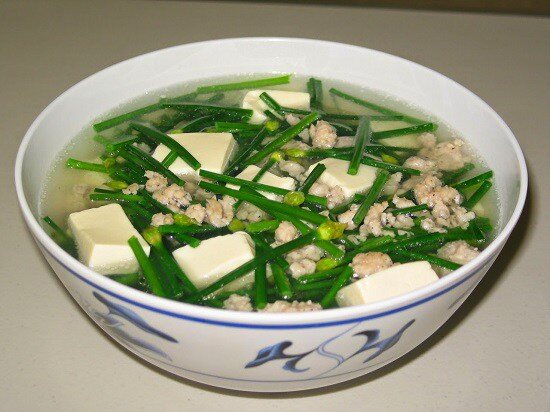
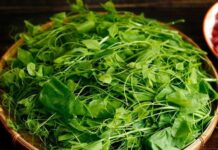
Chives are highly effective in supporting the treatment of cold-induced coughs in children. Illustrative image.
To treat cold-induced coughs in children, use 100g fresh chives and glutinous rice. Wash and chop the chives, then add them to cooked rice porridge, simmering for an additional 5 minutes. Season to taste. This chive porridge warms the stomach, regulates qi, and helps manage stomachaches, poor digestion, and cold-induced coughs.
Experts advise consulting professionals before using chives, as individual constitutions vary, requiring personalized guidance.
“The Bizarre Vegetable That Makes Diners Cringe Yet Becomes a U.S. Export Sensation for Its Unique Flavor and Superfood Benefits”
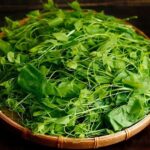
Not only does this vegetable boast a unique flavor, but it also offers numerous health benefits, making it a sought-after export product—a remarkable achievement for this once-humble forest green.
The World’s Most Expensive Fruit: Vietnam’s Abundant Harvest of a Renowned Delicacy, Fetching $52 per Kilogram
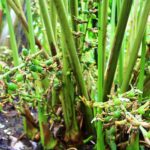
Nestled in the rugged terrains of Northern Vietnam’s mountainous provinces, the world’s most coveted spice is flourishing. This rare and luxurious ingredient, once a well-kept secret, is now poised to become Vietnam’s next major export sensation. Its unparalleled quality and exclusivity make it a treasure sought after by connoisseurs worldwide.
Overnight Herbal Water Rinse for Stronger, Thicker, and Smoother Hair from Root to Tip
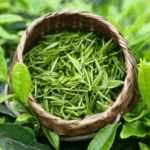
Green tea has long been celebrated as a nutrient-rich beverage, renowned for its ability to detoxify the body and promote overall health. However, its benefits extend beyond internal wellness—when used as a hair rinse, green tea reveals surprising advantages for your locks.
Unlock the Secret to Luscious Locks: How Xinjiang Women Achieve Thick, Beautiful Hair Without Expensive Shampoos—Thanks to This Natural Grass

Unveil the age-old beauty secret of Xinjiang women with this natural grass, revered for decades as the ultimate enhancer for hair, eyebrows, and eyelashes. Experience the transformative power of this botanical treasure, promoting thicker, longer, and naturally sleek results.
Tiny Spice Leaf: The Ultimate Hair Savior – Stops Hair Fall, Strengthens Roots, and Eliminates Stubborn Dandruff
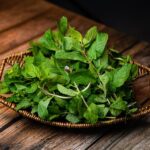
Beneath the familiar refreshing flavor, mint holds a “secret” to enhancing hair strength and adding a radiant shine.