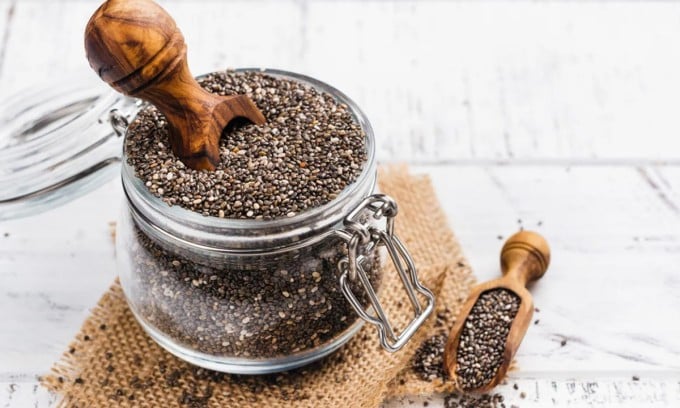
Daily to enhance health, you should supplement your diet with good nutrients like Omega 3, Omega 6, and the minerals found in chia seeds. The article below will share with you some quick and appealing ways to prepare chia seeds.
1 What are Chia Seeds?
What are Chia Seeds?
Chia seeds, also known as chia seeds or Salvia seeds, are the seeds of the chia plant, scientifically named Salvia hispanica, a species belonging to the mint family. This plant originates from the southern and central regions of Mexico. Chia seeds are very small, with a size of only about 1–2mm.
Many people confuse chia seeds with basil seeds because they look very similar in appearance. However, upon closer inspection, chia seeds have distinctive striped patterns, unlike the completely black color of basil seeds.
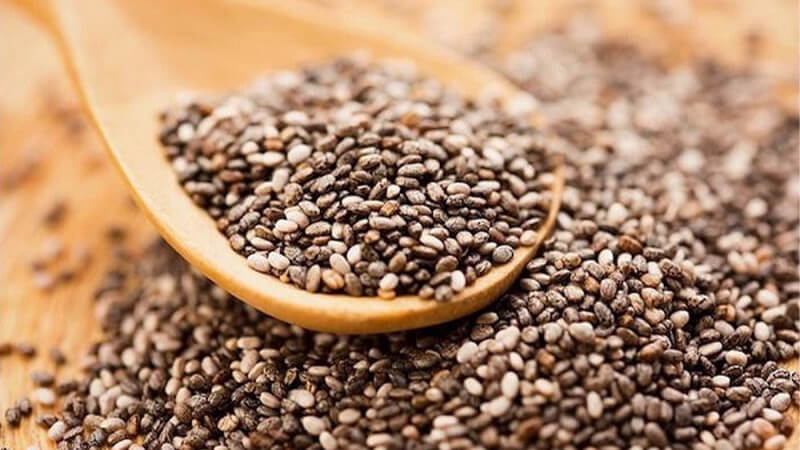 Chia seeds are also known as chia seeds or Salvia seeds
Distinguishing Basil Seeds and Chia Seeds
At first glance, basil seeds and chia seeds look similar, but they are two different types of seeds. Here are some characteristics to distinguish basil seeds and chia seeds.
- Origin: Basil seeds are the seeds of the basil plant and are grown in many places in Vietnam. Chia seeds are the seeds of the Salvia hispanica plant and cannot be grown in Vietnam due to unsuitable climate conditions.
- Color: Basil seeds are only black, while chia seeds come in four colors: black, white, brown, and gray.
- Size: Basil seeds are slightly larger than chia seeds.
- Nutritional Value: Chia seeds have slightly higher nutritional value compared to basil seeds. Basil seeds are rich in fiber and carbohydrates, while chia seeds are rich in omega-3 and protein.
2 Types of Chia Seeds
Currently, there are two types of chia seeds on the market: American chia seeds and Australian chia seeds, named after their places of production.
Australian chia seeds are grown without the use of chemicals or chemical fertilizers, entirely naturally, and yield a stable production. Australian chia seeds are certified Organic by the Australian Certified Organic organization. The reference price is approximately $10–$15.
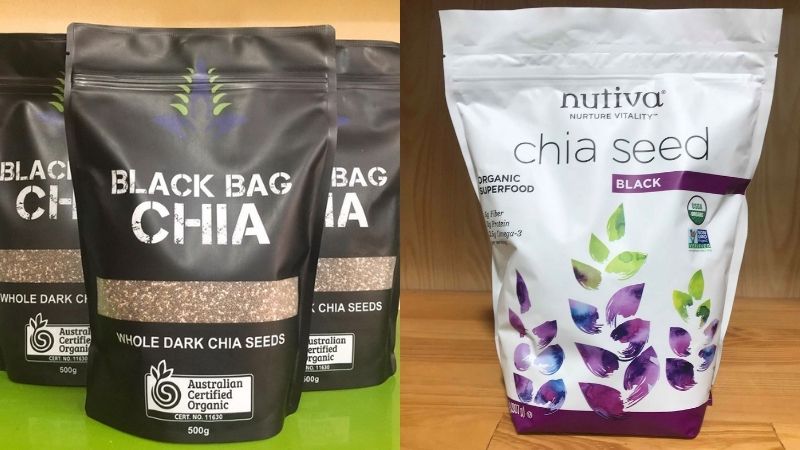 There are two types of chia seeds: American chia seeds and Australian chia seeds
American chia seeds are typically grown in South or Central America. Although this is the origin of the chia plant, it is not widely cultivated. Thanks to favorable surrounding conditions for the chia plant, American chia seeds have a high nutritional value. Additionally, this type of seed is certified Organic by the FDA and the U.S. Department of Agriculture and does not use chemicals or pesticides. The reference price is approximately $10–$18.
3 Nutritional Value of Chia Seeds
Despite their small size, chia seeds are packed with valuable nutrients. Due to their high nutritional value for health, chia seeds offer numerous benefits such as:
- A rich source of fiber
- High protein content
- Abundant antioxidants
- Omega-3 supplementation
- Provides Vitamin B1 and Vitamin B3
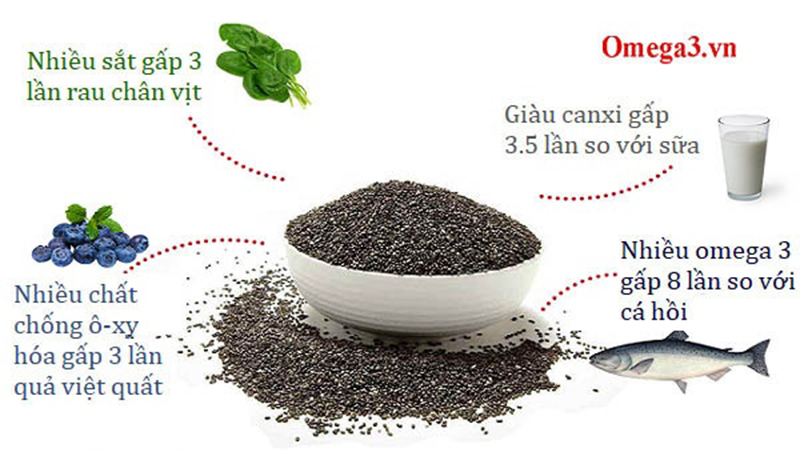 Despite their small size, chia seeds are packed with valuable nutrients
4 Health Benefits of Chia Seeds
Effective Weight Loss Support
Consuming chia seeds helps slow down digestion, reduce calorie absorption, and prolong the feeling of fullness, curbing cravings. By incorporating chia seeds into a healthy diet and exercise routine, you can effectively lose weight.
 Consuming chia seeds helps support effective weight loss
Supports a Healthy Digestive System
Chia seeds contain soluble fiber that supports a healthy digestive system, aiding in nutrient absorption and natural detoxification. They also help reduce cholesterol buildup in the intestines, lowering the risk of digestive disorders.
Beneficial for Skin, Hair, and Nails
Chia seeds are rich in Omega-6 ALA, protein, and antioxidants, which are essential for maintaining healthy skin, hair, and nails.
Excellent for Heart Health
Chia seeds contain up to 20% Omega-3 ALA, which helps reduce bad cholesterol and supports cardiovascular health. Additionally, their high antioxidant content improves blood circulation, reducing the risk of atherosclerosis, heart attacks, high blood pressure, and strokes.
 Chia seeds are excellent for heart health
Promotes Strong Bones and Prevents Osteoporosis
Chia seeds are a rich source of calcium, providing 631mg per 100g, which meets 63% of the daily calcium requirement. This helps maintain strong bones and prevents osteoporosis, especially for those who do not consume dairy products.
 Chia seeds promote strong bones and prevent osteoporosis
Supports Diabetes Management
The high fiber content in chia seeds helps stabilize blood sugar levels, making it beneficial for managing diabetes and preventing weight gain.
Slows Down Aging and Promotes Healthy Skin
Chia seeds contain Omega-3 ALA, antioxidants, and protein, which help slow down aging, detoxify the body, and promote healthy, glowing skin.
Rich Source of Omega-3
Chia seeds are one of the richest natural sources of Omega-3, even more so than salmon, and they do not contain mercury, making them excellent for brain and heart health.
Supplies Essential Minerals
Chia seeds are rich in minerals such as calcium, potassium, iron, magnesium, and phosphorus, providing essential nutrients for daily energy and vitality.
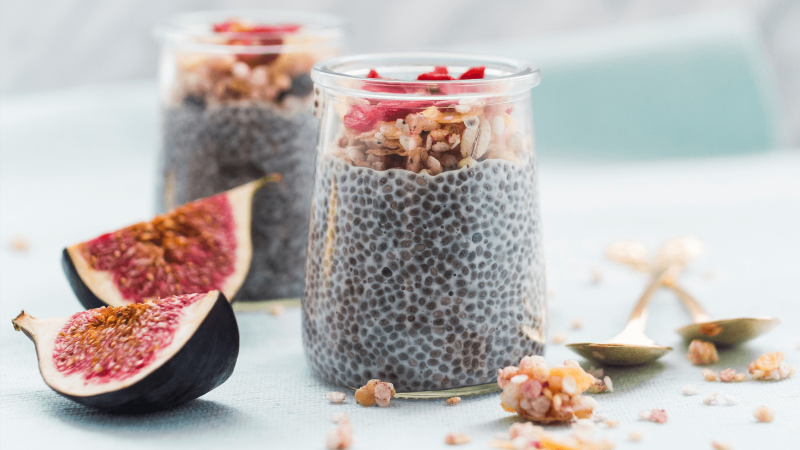 Chia seeds supply essential minerals
Provides Energy and Enhances Stamina
Chia seeds contain a high amount of protein (16.54 g/100g), making them a favorite among athletes for boosting energy, stamina, and muscle recovery.
Beneficial for Pregnant Women
Chia seeds are rich in Folate and Omega-3, which are crucial for fetal brain development and help prevent neural tube defects. Consuming chia seeds during pregnancy ensures a healthy pregnancy and abundant milk supply postpartum.
 Chia seeds are beneficial for pregnant women
Ideal for Vegans
Chia seeds have a higher protein content than many other plant-based foods, making them an excellent protein source for vegans.
Further Reading Is Consuming Too Much Chia Seeds Harmful and How to Use Chia Seeds Safely
5 Who Should Use Chia Seeds
Chia seeds offer high nutritional value and numerous health benefits, but certain individuals should avoid them to prevent side effects.
- People using chia seeds for weight loss
- Pregnant women
- Individuals with diabetes
- Those with digestive disorders
6 Recommended Chia Seed Dosage
Chia seeds are high in fiber, and excessive consumption can lead to digestive issues such as abdominal pain, bloating, indigestion, constipation, or diarrhea. Therefore, it’s important to adhere to the recommended dosage.
The appropriate dosage varies depending on age and health status:
- Children: 10g/day, as their digestive systems and other organs are still developing.
- Adults: 15g/day, to supplement essential nutrients.
- Pregnant women: 20g/day, as they are prone to constipation, so the dosage should not be excessive.
- Athletes: 25–30g/day, as recommended by experts to meet higher nutritional needs.
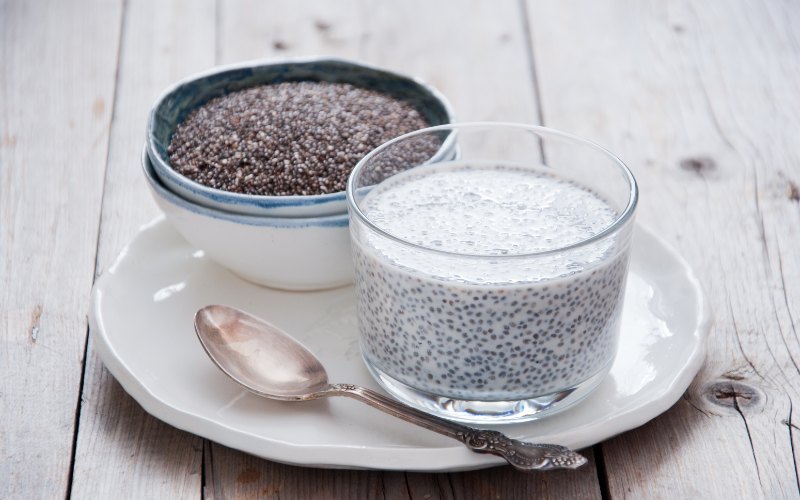 Recommended chia seed dosage varies by age group
7 How to Use Chia Seeds Correctly
The dosage of chia seeds can be adjusted based on age and gender for flexibility and suitability.
Chia seeds can be eaten directly, but it’s important to drink plenty of water afterward. Alternatively, they can be mixed with filtered water, fruit juice, or smoothies for consumption.
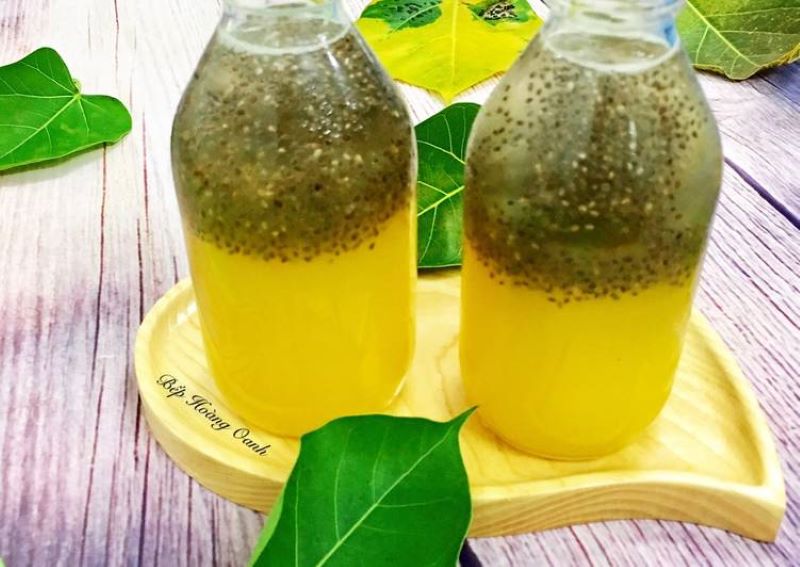 How to use chia seeds correctly
Chia seeds can also be sprinkled on salads, yogurt, fruit milk, ice cream, baked goods, soups, and porridge for added nutrition and texture.
For convenience, mix chia seeds with water in a large jar, stir well, seal, and store in the refrigerator for up to 2 weeks. Avoid storing for too long to preserve their nutritional value.
In addition to chia seeds, chia seed oil also offers numerous health and beauty benefits, such as improving heart health, anti-aging, brain support, weight loss, and promoting hair health.
8 Delicious Chia Seed Recipes
Chia Seeds for Baby Weaning
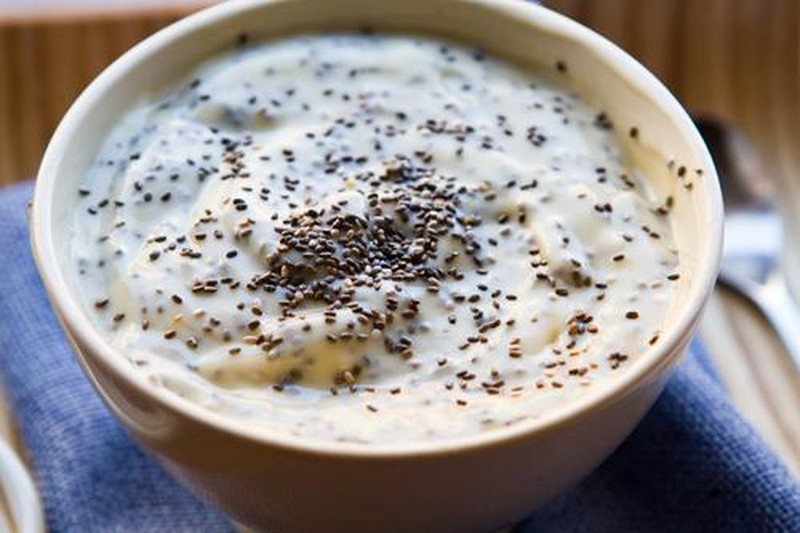 Chia seeds for baby weaning
The Omega-3 and Omega-6 fatty acids in chia seeds support brain development in infants, helping them quickly recognize the outside world and develop comprehensively.
-
Step 1 Take 4–5g of dry chia seeds, soak in water to soften or grind them into a fine powder using a blender. This amount is sufficient for a baby’s daily intake.
-
Step 2 Cook porridge until soft.
-
Step 3 Add the chia seed powder to the porridge while it’s still hot. Cook for an additional 2 minutes before serving.
Alternatively, you can add soaked chia seeds directly to cooked porridge, baby formula, or fruit yogurt. For more ideas, refer to ways to use chia seeds for health benefits.
Note:
Chia seeds are suitable for babies 12 months and older, as their digestive systems are not fully developed before this age.
Introduce chia seeds in small amounts initially to monitor the baby’s reaction.
Chia Seeds for Weight Loss
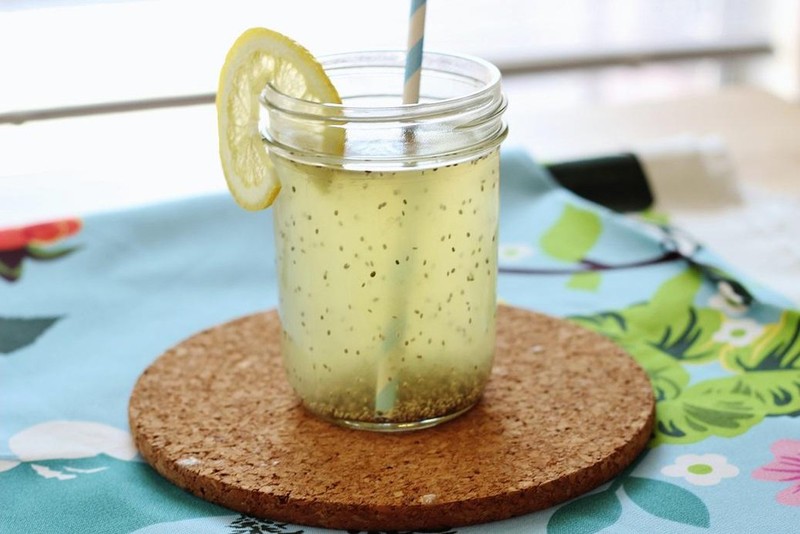 Chia seeds for weight loss
A simple and effective way to use chia seeds for weight loss is to mix them with warm water.
-
Step 2 Soak chia seeds in warm water for 10–15 minutes until they soften.
-
Step 3 Add 2 tablespoons of fresh lemon juice and 1 tablespoon of honey, then mix well.
-
Step 4 Stir and enjoy immediately.
Fruit Yogurt with Chia Seeds
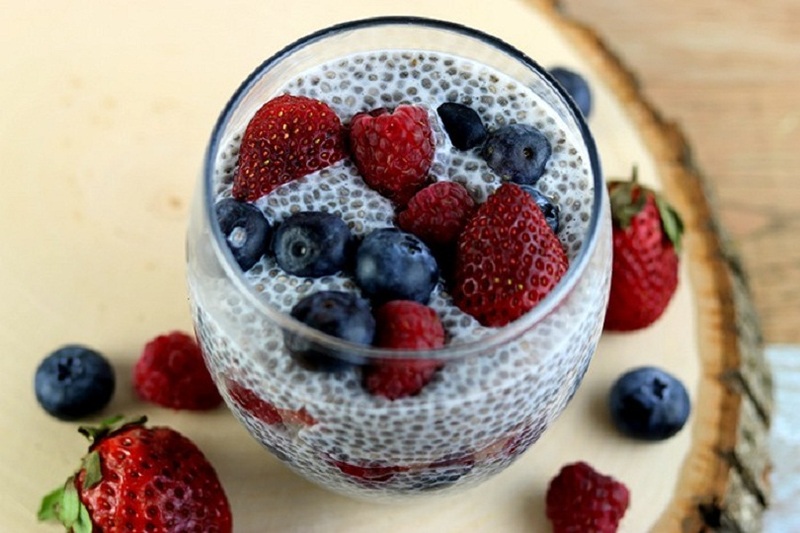 Fruit yogurt with chia seeds
-
Step 1 Prepare 1 tablespoon of chia seeds, yogurt or cream, and your favorite fresh or dried fruits.
-
Step 2 Soak chia seeds in warm water for about 15 minutes until they soften.
-
Step 3 Chop the fruits into small pieces.
-
Step 4 Mix all the ingredients together for a nutritious and delicious fruit yogurt with chia seeds.
Chia Seed Drink
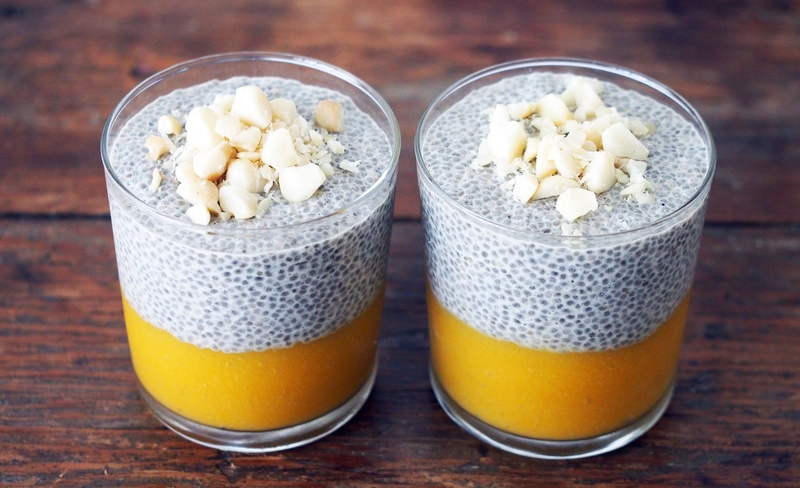 Chia seed drink
-
Step 1 Prepare 1 tablespoon of chia seeds, rock sugar, warm filtered water, or fruit juice, herbal tea, or tea.
-
Step 2 Soak chia seeds in warm water until they soften.
-
Step 3 Add rock sugar and stir well for a refreshing chia seed drink.
Chia Seed Pudding
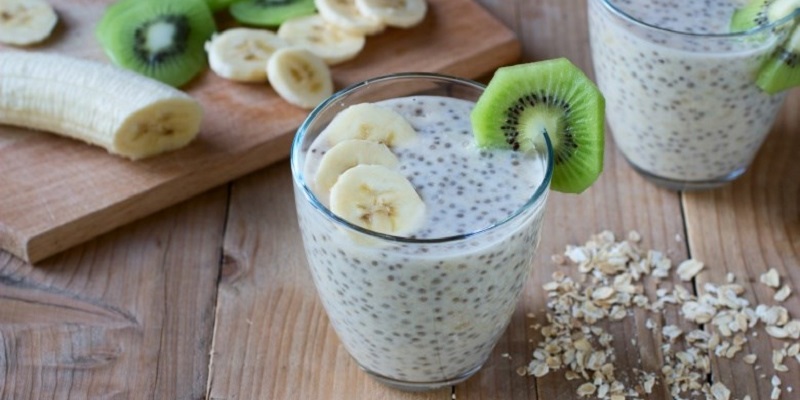 Chia seed pudding
Chia seed pudding is a delicious and nutritious dessert that can be enjoyed as a snack or breakfast. It’s easy to make with just a few simple steps.
Smoothie with Chia Seeds
-
Step 1 Prepare your favorite smoothie.
-
Step 2 Add 1–2 tablespoons of chia seeds.
-
Step 3 Blend with ice or shaved ice for a refreshing smoothie with chia seeds.
Chia Seed Salad
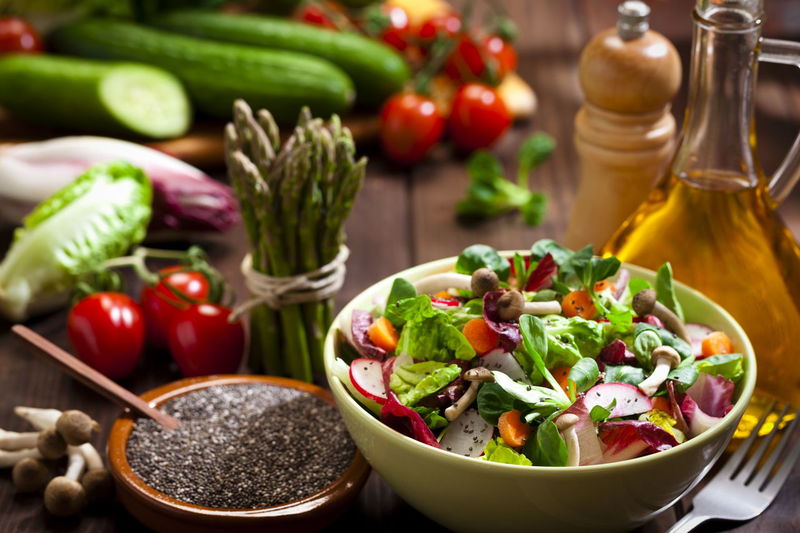 Chia seed salad
-
Step 1 Prepare your favorite vegetable salad.
-
Step 2 Add 1–2 tablespoons of chia seeds and mix well for added nutrition and texture.
Tips for Preparing Chia Seeds
– The recommended daily intake of chia seeds is 5–10g of dry seeds per week. Limit consumption to 1 tablespoon per day to avoid overloading the digestive system.
– Avoid consuming dry chia seeds to prevent choking or esophageal blockage.
9 How to Store Chia Seeds
For dry chia seeds: Store in a cool, dry place, away from direct sunlight. Keep them in an airtight container in the pantry or refrigerator.
For ground chia seeds: Store in an airtight container in a cool, dry place or in the refrigerator.
For soaked chia seeds: Store in a glass container in the refrigerator for up to 1 week.
Further Reading How to Use and Store Chia Seeds Correctly
We hope these chia seed recipes help you incorporate this nutritious seed into your diet for better health and well-being.
Is Eating Balut Eggs Truly Beneficial? Expert Insights Revealed

Balut, a fertilized duck egg delicacy, captivates the palates of many Vietnamese. But beyond its intriguing appeal, questions linger about its nutritional value. Let’s delve into what experts say about this unique culinary experience.
Does Instant Porridge Help with Weight Gain?
Instant oatmeal is a popular food item widely available in convenience stores, supermarkets, and department stores. Despite its widespread appeal, many wonder if it contributes to weight gain. We’ll address this concern with the following insights.
20 Irresistible Chicken Thigh Mushroom Recipes to Elevate Your Meals
Discover the culinary magic of chicken thigh mushrooms—a nutrient-rich ingredient that transforms ordinary dishes into extraordinary delights. Curious about how to elevate your meals? Dive into our guide and unlock a world of mouthwatering recipes featuring this versatile mushroom!
Mastering the Art of Cooking Winter Melon Soup Without Sourness: A Refreshing Family Treat
On scorching summer days, finding places selling winter melon tea is easy, but where can you find the highest quality? If you’re still searching for the answer, learn how to make your own refreshing and skin-beautifying winter melon tea. It’s simple, quick, and saves time.
“Unlock Surprising Weight Loss and Glowing Skin: Just Soak These 3 Seeds in Water and Drink Daily”

Unlock the secret to effortless weight loss and radiant skin with just three simple nuts. No fancy drinks required—these powerhouse ingredients are your ultimate beauty and wellness allies. Discover the natural way to transform your health today.