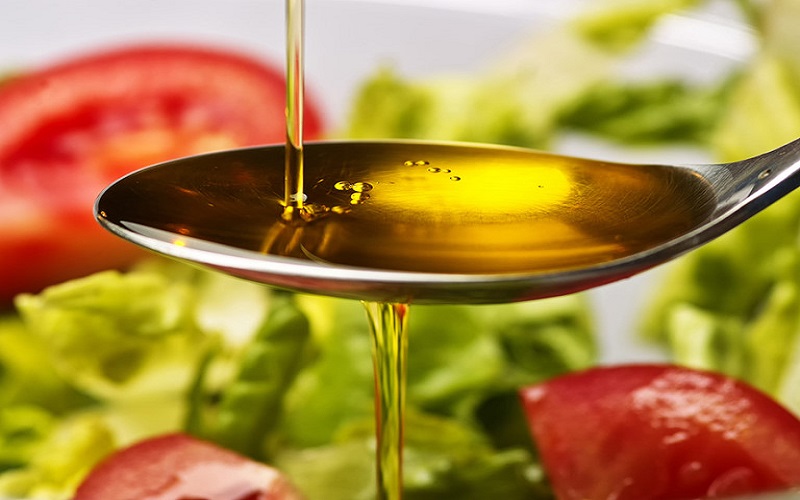
Cooking oil, an indispensable ingredient in every household kitchen, often sparks debates about its benefits and drawbacks. Amidst the controversy, one question lingers: Does cooking oil contribute more to our health or harm it? How many calories are in a tablespoon of oil? Can excessive oil consumption lead to weight gain?
In this article, we aim to address these queries and curate a list of the healthiest cooking oils that not only support overall well-being but also aid in weight management.
1 Caloric Content of Cooking Oil
On average, a mere tablespoon (5ml) of cooking oil contains approximately 40 calories, nearly equivalent to half the calories found in 100g of sweet potatoes.
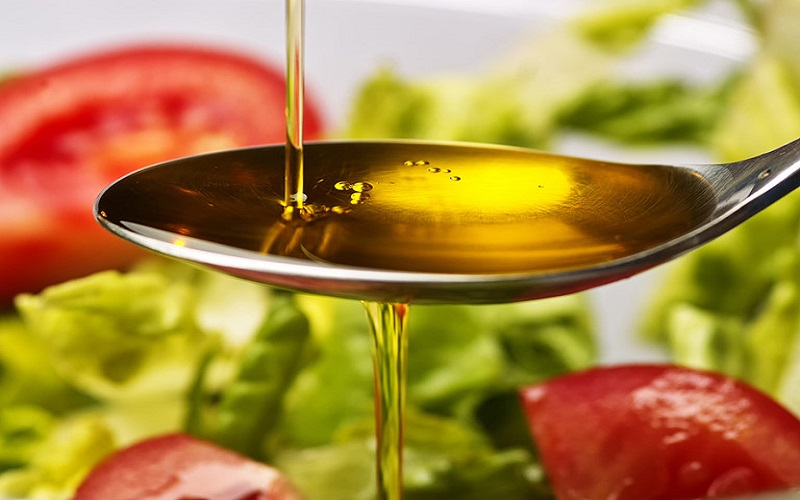 A single tablespoon of cooking oil packs around 40 calories.
According to the United States Department of Agriculture (USDA), 100g of cooking oil contains a staggering 900 calories. Interestingly, 100ml of cooking oil contains slightly fewer calories, approximately 800 calories.
Nutritional research institutes highlight that the caloric content of cooking oils varies due to differences in their processing ingredients.
2 Does Cooking Oil Cause Weight Gain?
Regular consumption of deep-fried or stir-fried dishes cooked in oil inevitably leads to weight gain.
Why? The high caloric content (800kcal/100ml) coupled with elevated levels of unhealthy fats poses significant health risks. When oil is heated to high temperatures, it evaporates water and releases free fatty acids. Consequently, consuming fried or stir-fried foods increases the likelihood of excess fat accumulation in the body.
 Excessive consumption of fried or stir-fried dishes leads to weight gain.
3 Top 10 Cooking Oils for Weight Loss
As mentioned earlier, proper oil usage can significantly aid in weight management. Below is a curated list of the most nutritious cooking oils tailored for individuals aiming to shed pounds.
These oils not only provide essential nutrients but also bolster the immune system:
1. Olive Oil
 Olive oil reigns supreme among health-conscious cooking oils.
Olive oil stands as a premier choice for weight loss, boasting a remarkable 78% monounsaturated fat content alongside 14% saturated fat.
Renowned for its cardiovascular benefits, olive oil is particularly beneficial for individuals with diabetes.
2. Peanut Oil
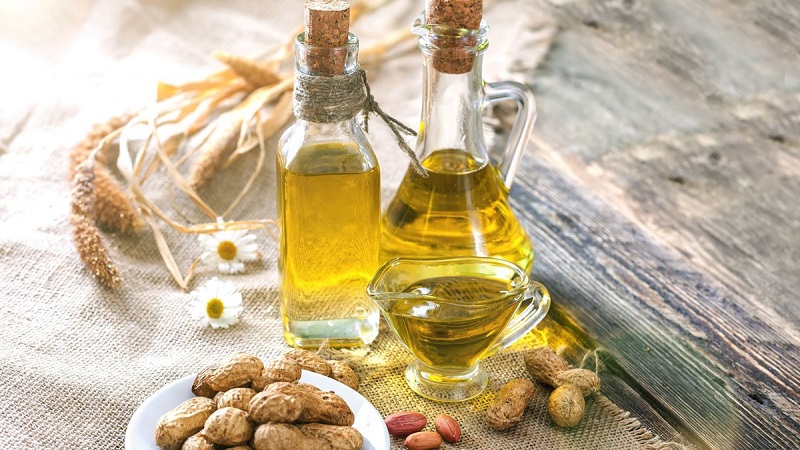 Peanut-derived cooking oil
Peanut oil is rich in monounsaturated fats, which facilitate weight loss. Notably, a tablespoon of peanut oil contains significantly fewer calories compared to conventional cooking oils.
Free from cholesterol, peanut oil is an excellent choice for individuals with diabetes or cardiovascular conditions.
3. Coconut Oil
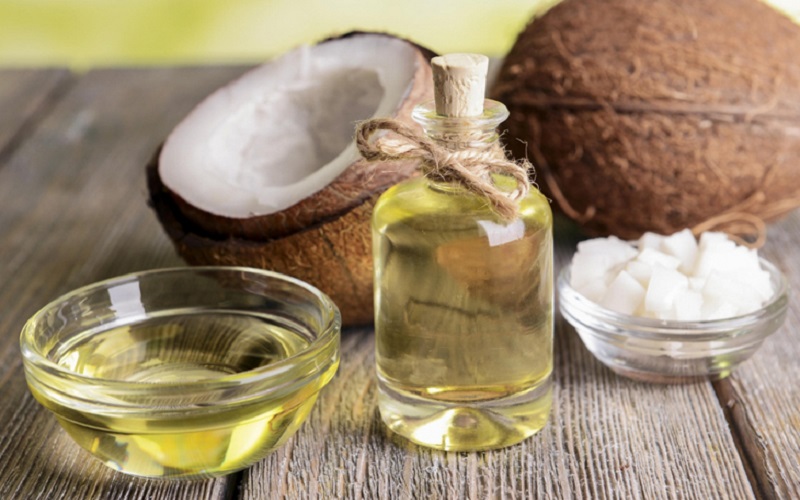 Beyond culinary uses, coconut oil serves as a beauty elixir.
Apart from its culinary applications, coconut oil offers a unique benefit: beautification, hair and skin nourishment. Moreover, it effectively aids individuals struggling with excess weight.
Comprising primarily of lauric acid, coconut oil minimizes fat storage in the body. However, due to its low smoke point, coconut oil is best suited for salads rather than frying or stir-frying.
4. Avocado Oil
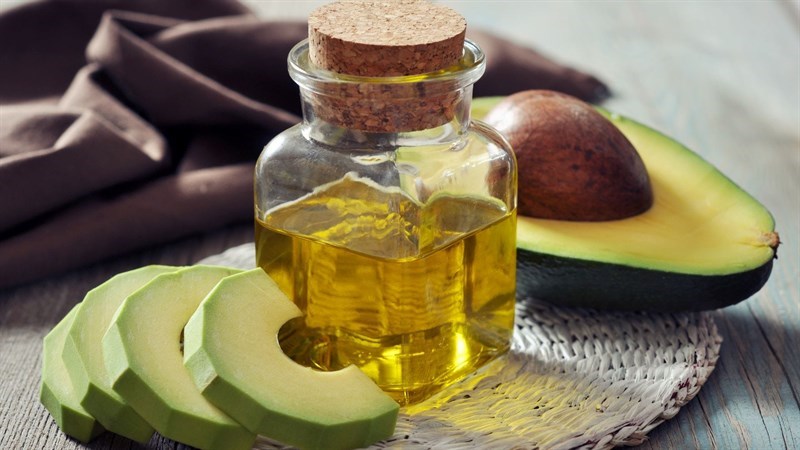 Avocado oil boasts a subtle aroma, ideal for vegetable dishes.
Derived from avocados, this oil may seem unfamiliar to many. However, it is rich in saturated fats that promote cardiovascular health and reduce cholesterol levels.
Packed with nutrients like vitamin B and vitamin E, avocado oil enhances dishes with its mild, buttery flavor. It pairs excellently with salads, vegetables, bread, and fruits.
5. Sacha Inchi Oil
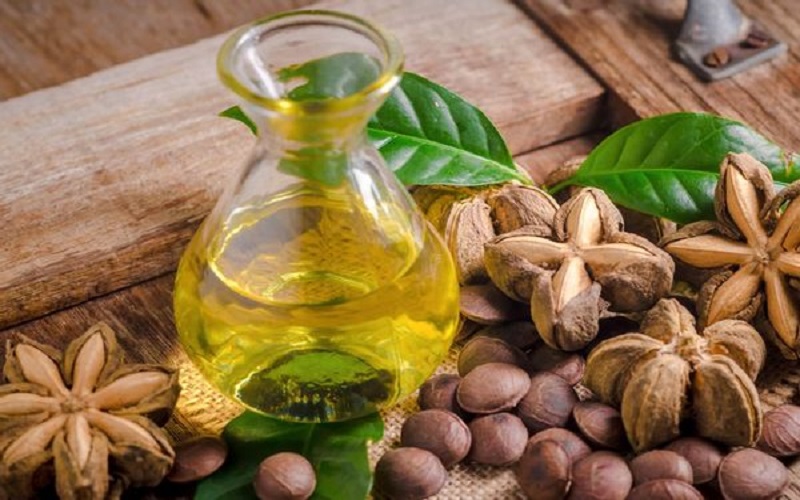 Sacha inchi oil is rich in omega 3, 6, and 9, promoting overall health.
Extracted from sacha inchi fruits, this oil, though less popular, offers myriad health benefits. It supports weight loss, enhances cardiovascular health, brain function, and promotes healthy skin and hair.
Comprised mainly of omega 3, omega 6, and omega 9, sacha inchi oil also provides essential nutrients like protein, fiber, and vitamins.
6. Macademia Nut Oil
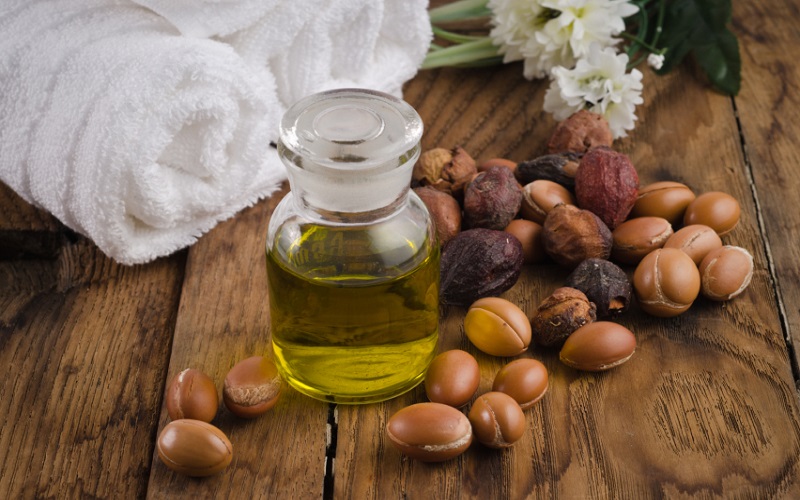 Macademia nut oil contains components that help prevent cancer.
While less common, macademia nut oil warrants consideration for its health benefits.
Comprising 84% monounsaturated fats, macademia nut oil is rich in omega 3 fatty acids and phytosterols, which reduce the risk of cancer.
7. Canola Oil
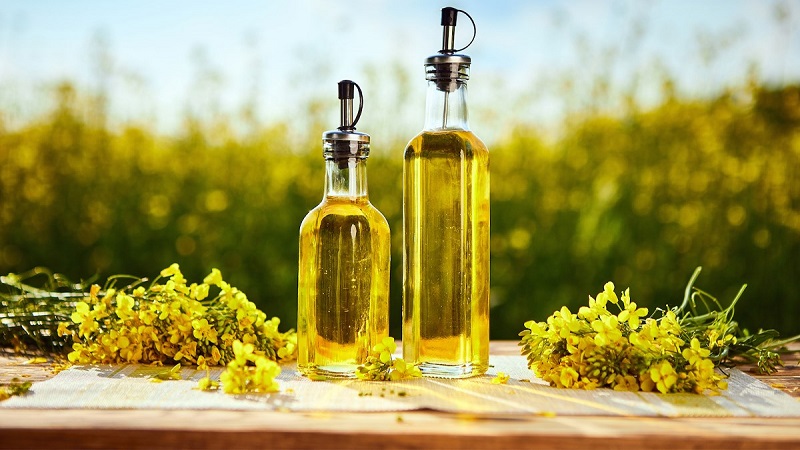 Canola oil benefits eyesight, memory, and prevents asthma, arthritis, and cancer.
Derived from canola seeds, this oil is rich in omega-6 and omega-3 fatty acids, which aid in weight stabilization. Additionally, canola oil supports eyesight, memory, and prevents asthma, arthritis, and cancer.
With its neutral flavor, canola oil enhances dishes without overpowering their taste, making it suitable for daily cooking.
8. Walnut Oil
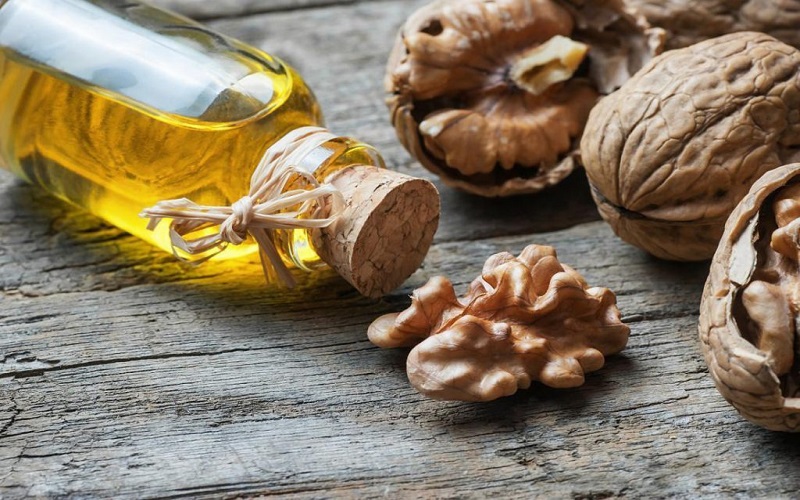 Walnut oil facilitates effective weight loss.
Walnut oil is abundant in healthy fats and unsaturated fatty acids, promoting overall well-being. With its high omega 3 content, walnut oil enhances calorie burning, stabilizes metabolism, and supports cardiovascular and brain health. Its rich, nutty aroma adds depth to dishes.
9. Flaxseed Oil
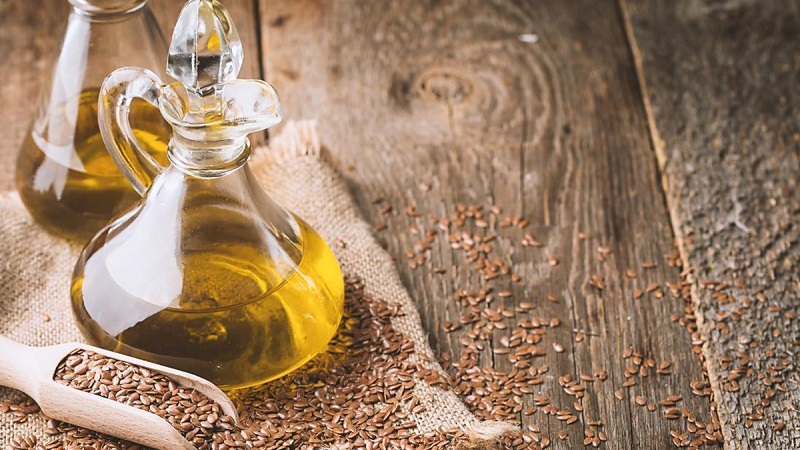 Flaxseed oil reduces the risk of cardiovascular diseases, improves skin health, vision, and sleep quality.
Extracted from pure flaxseeds, flaxseed oil is nutritionally dense. Its high omega 3 content reduces the risk of cardiovascular diseases, liver fat accumulation, improves skin health, vision, and sleep quality.
Incorporate flaxseed oil into salads, vegetables, grilled fish, or desserts for added nutritional benefits.
10. Rice Bran Oil
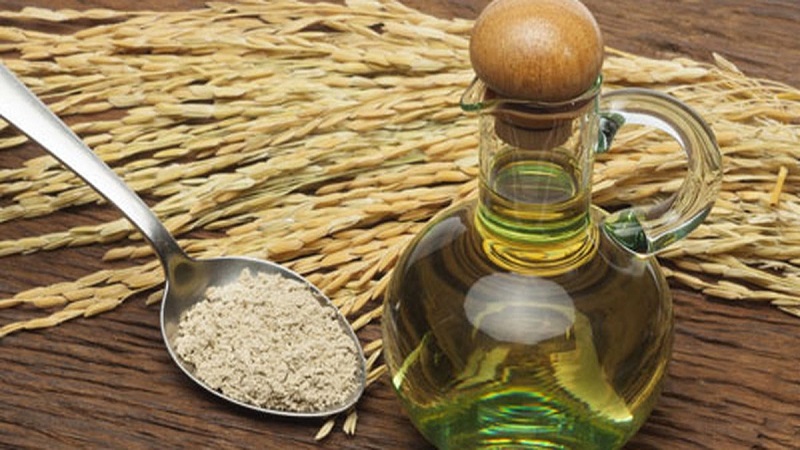 Rich in omega 3, 6, and 9, rice bran oil protects cells and prevents aging.
Derived from pure brown rice, rice bran oil is produced using advanced technology. Its high omega 3, 6, and 9 content improves cardiovascular health.
Additionally, rice bran oil is rich in natural antioxidants like Vitamin E, Phytosterols, and Gamma Oryzanol, which prevent aging and protect cells, including muscle cells.
While it’s advisable not to completely eliminate fats from your diet, incorporating healthy fats from nutritious oils can significantly enhance your overall nutrition.
Remember to complement your diet with regular exercise for optimal weight management results. We hope this article has provided valuable insights into the nutritional aspects of cooking oils, enabling you to make informed choices for your family’s meals.
Source: United States Department of Agriculture (USDA)
What Happens When You Eat Eggs Daily?

Many believe that consuming eggs daily is unhealthy due to their high cholesterol content. However, numerous studies have shown that consistently eating one egg per day can yield surprising benefits. Let’s explore the truth together.
“Master the 8:2 Rule: Lose 10kg Fast with This Simple Meal Replacement Drink, Even ‘Romance Novel Goddess’ Can Do It at Home”

The actress, hailed as the “Romance Goddess,” has left netizens in awe after revealing her stunning 10kg weight loss in a remarkably short period.
“Indulge in Bread Dipped in Milk? Beware of Rapid Weight Gain and Obesity in Just Days”

Indulging in bread dipped in milk is a delightful treat, but beware—it can lead to rapid weight gain if not enjoyed mindfully. Discover the hidden habits that might be contributing to unwanted pounds when savoring this beloved snack.
Black Beans Soaked in Vinegar: A Miracle Weight-Loss and Health-Boosting Elixir

Unlock a slimmer figure and a healthier, longer life with vinegar-soaked black beans. This powerful combination not only supports weight management but also offers a wealth of health benefits, promoting vitality and longevity.
Is Eating Sticky Rice Regularly Good for You? Key Considerations to Keep in Mind

Sticky rice, a beloved breakfast staple, is often chosen for its delicious taste and convenience, providing a hearty energy boost to start the day. But what happens to your body when you indulge in this treat regularly? Let’s explore together!