
In reality, no child is born inherently “predetermined” to be well-behaved or difficult. Some children eat well, sleep soundly, and cry less from a young age, making parenting feel relatively effortless. Conversely, others may frequently fall ill, sleep restlessly, cry often, or require more time to adapt, making caregiving more challenging.

These differences partly stem from a child’s innate temperament. However, parental care, companionship, and the environment they create also significantly influence a child’s development.
If your child exhibits these signs early on, it could indicate positive development, bringing blessings to the family and making parenting smoother in the long run.
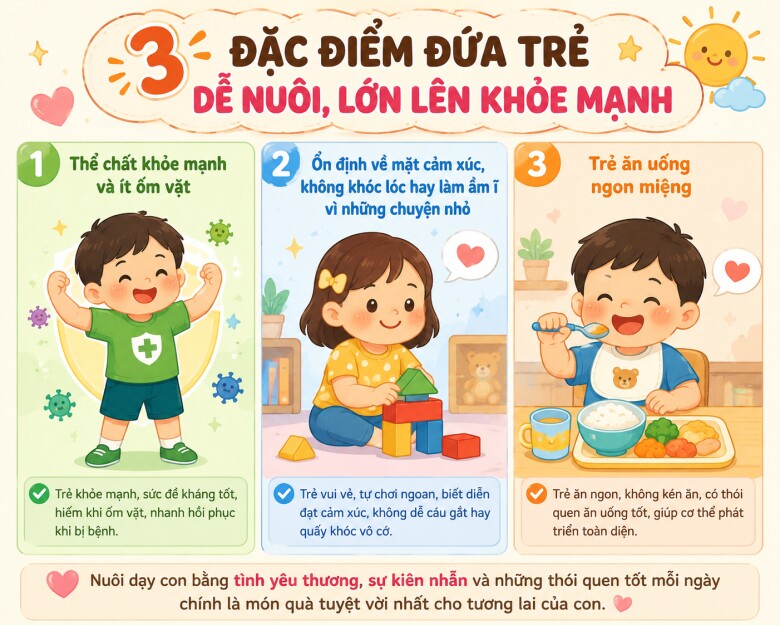

Robust Health and Few Illnesses
For any parent, the greatest wish is for their child to grow up healthy. Frequent illnesses not only affect a child’s well-being but also disrupt family life.
Parents are all too familiar with late-night hospital visits, taking time off work to care for a sick child, and the anxiety of seeing them eat poorly, sleep restlessly, and recover slowly from illnesses.
Conversely, children with strong health tend to recover faster, even from common ailments like colds or mild fevers. This reduces parental stress and allows more time to support their child’s learning, play, and development of good habits.
A child’s health is influenced by genetics and daily care. A consistent routine, adequate sleep, a balanced diet, and regular physical activity lay the foundation for long-term well-being. Good health is the most valuable asset for a child’s holistic development and learning.


Emotional Stability and Fewer Tantrums
Some children, after eating and sleeping well, can play independently and explore their surroundings without constant parental supervision. Others may cry immediately if separated from their parents for a moment or react strongly to minor issues.
Frequent crying or irritability doesn’t mean a child is naughty or stubborn. It simply reflects their young age and inability to express needs and emotions verbally.
Parents should patiently guide their children in recognizing and expressing emotions appropriately. Encourage them to articulate their desires, name their feelings, and provide opportunities for them to experience and resolve simple situations independently.
As children’s emotional control and communication skills improve, tantrums and crying spells will decrease. This creates a calmer, more enjoyable family atmosphere and reduces parenting stress.

Hearty Appetite
For many families, mealtimes are the most challenging part of the day.
A single meal can stretch over an hour, with parents chasing after their child to feed them.
Over time, this affects digestion and can lead to picky eating habits.
Children who eat regularly and aren’t picky tend to have more stable physical development.
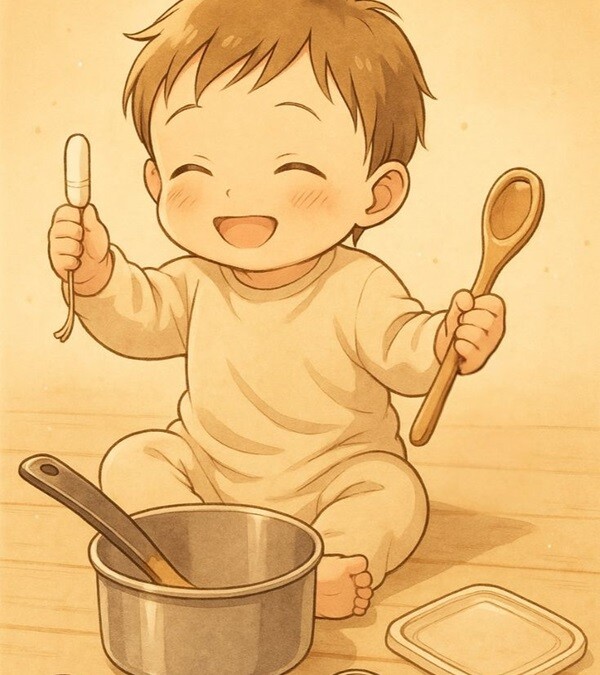
Parents can encourage independence by letting children hold utensils, self-feed when age-appropriate, shop for groceries, wash vegetables, or set the table. Involving them in meal preparation often makes them more enthusiastic and willing to try new foods.
When mealtimes become enjoyable, positive eating habits emerge. This saves parents from constantly urging or chasing their child during meals.

Every child has their own developmental pace and personality. Some grow up with minimal parental worry, while others require more time, patience, and support throughout their journey to adulthood.
What truly matters is that no parenting method guarantees success or failure. The difference lies in the love, patience, and positive habits nurtured daily.
Parents should spend quality time with their children, encouraging and helping them develop good habits from today. Over time, small changes accumulate into maturity. One day, parents will see their once-worrisome child grow into a confident, thoughtful individual who brings pride to the family.

Four Zodiac Signs Whose Children Are Naturally Filial, Bringing Prosperity to the Family and Growing Up with Both Virtue and Wealth

Understanding the profound influences stemming from a child’s birth empowers parents with deeper insights into effective parenting strategies.
4 Striking Differences Between Talkative and Quiet Children as They Grow Up

Children who are more verbose and those who are more reserved may exhibit significant differences in various aspects as they grow older.
“Beautiful Daughter, with Eyes Like Flowers and Fair Skin, Returns Home After a Month with Grandparents, Leaving Mom in Awe”

Her mother rubbed her eyes repeatedly, yet she still couldn’t recognize the daughter she once knew.
Unlock Lifelong Wealth and Success for Your Child: 4 Essential Keys Beyond High Grades
Compared to high scores, these four elements instill greater confidence in children as they navigate life.
“I Don’t Want to Visit Grandma and Grandpa”: A Heartfelt Phrase That Leaves Parents Reflecting, Yet the Reason Behind It Is Truly Thought-Provoking

From a psychological perspective, there are compelling reasons why many children grow emotionally distant from their grandparents as they mature.