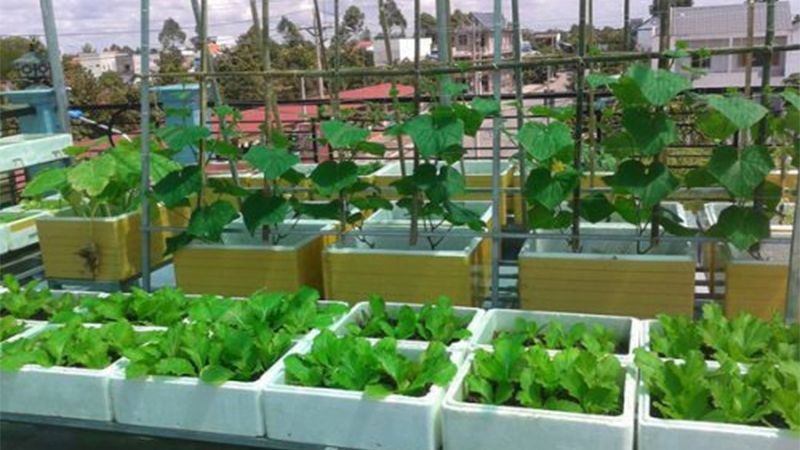
Urban gardening, particularly growing vegetables on rooftops, has become a popular solution for city dwellers concerned about contaminated produce in the market. It also helps reduce daily living expenses. People are utilizing every available space, from roadside areas to foam boxes placed along the streets, to cultivate their own vegetables. In major cities, growing your own food is seen as a way to protect oneself from the increasing presence of toxic fruits and vegetables in the market. But is growing vegetables in foam boxes truly effective and safe? Let’s explore this with Bách Hóa Xanh in the article below!
1 Is Growing Vegetables in Foam Boxes Unsafe?
Ms. Lê Thị Châu (Hoàng Hoa Thám, Ba Đình, Hanoi) shares, “Growing vegetables isn’t difficult. That’s why my family has utilized our rooftop to place foam boxes and grow our own vegetables. Almost every household around me grows their own vegetables—it’s both clean and cost-effective.”
Homegrown vegetables generally give homemakers a sense of security compared to store-bought produce. However, even self-grown vegetables can be contaminated in polluted urban environments.
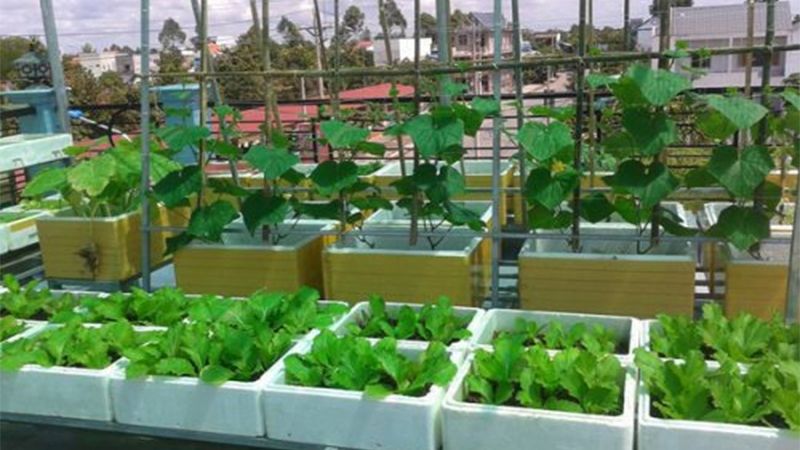 Growing vegetables in foam boxes
Assoc. Prof. Dr. Nguyễn Duy Thịnh (Institute of Biotechnology and Food Technology, Hanoi University of Science and Technology) states, Growing vegetables in foam boxes is not harmful if clean soil and safe water are used. Only when contaminated soil or water containing sulfur, mercury, lead, etc., is used does it become dangerous. Specifically, if the water is polluted, these toxins can adhere to the vegetables after watering. Additionally, contaminated water and soil provide an ideal environment for worm and parasite eggs to develop, which can infest the vegetables. If not thoroughly washed, these can cause gastrointestinal issues.
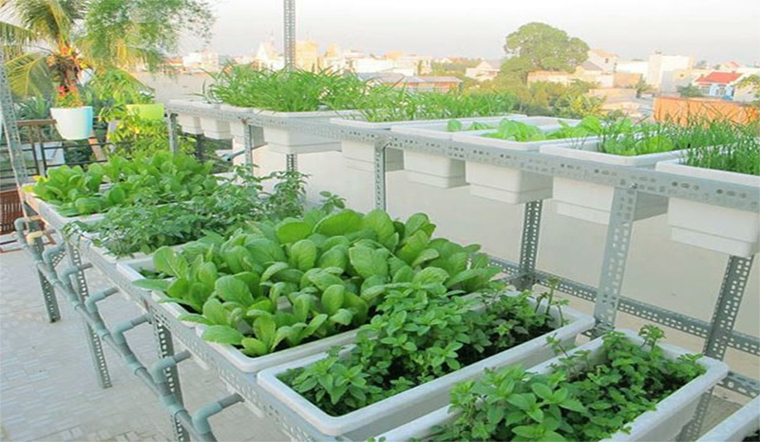
Growing mediums like sawdust or coconut coir, when spilled during cultivation, can pollute the environment. Moreover, water containers on rooftops used for irrigation can become breeding grounds for mosquitoes, increasing the risk of dengue fever.
According to Assoc. Prof. Dr. Nguyễn Duy Thịnh, growing vegetables in containers made of foam, wood, or ceramic is essentially the same. Therefore, any type of container can be used.
Thus, the claim that growing vegetables in foam boxes poses a high risk of disease is merely a rumor. If possible, people should grow their own vegetables to ensure health, enjoy a relaxing hobby after a long day, and reduce anxiety about buying potentially unsafe produce from the market.
2 Useful Tips and Information
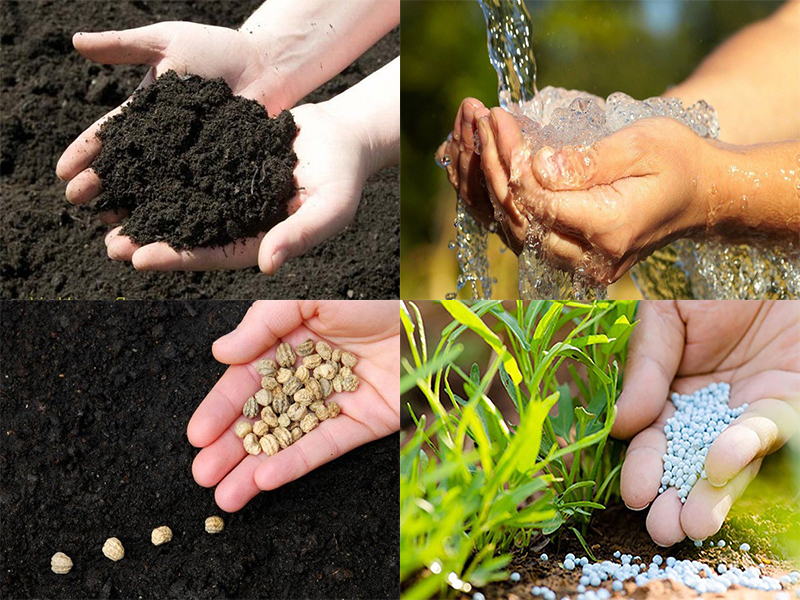
According to plant experts, five factors influence the growth, safety, and nutritional quality of vegetables: soil, fertilizer, water, sunlight, and seeds.
For the first two organic factors—soil and fertilizer—proper selection and application are crucial. Over-fertilizing makes vegetables tough and less sweet, while under-fertilizing results in weak plants unable to absorb nutrients effectively.
Experts also emphasize the importance of not artificially manipulating these five factors when growing vegetables in foam boxes or outdoor gardens.
Urban families often struggle with limited sunlight for their vegetable gardens. Plants synthesize nutrients best under direct sunlight. Young plants should be protected from excessive sunlight, while mature plants benefit from more exposure for better photosynthesis.
Morning sunlight is more beneficial than afternoon sunlight. Therefore, plants should be placed in shaded areas in the afternoon and exposed to sunlight and fresh air in the morning for optimal nutrition.
Vegetables taste best when grown in their appropriate season. Clean water, clean soil, and organic fertilizers yield the safest and most nutritious produce. When purchasing seeds, choose those with detailed packaging and clear manufacturer information. For households growing vegetables in foam boxes, ensure proper disposal of waste after harvesting. If reusing growing mediums, they should be thoroughly dried and sterilized to eliminate microorganisms.
While homegrown vegetables offer a partial solution to the dangers of contaminated market produce and alleviate public concern, they are not a long-term fix. Alongside individual efforts, decisive action from regulatory bodies is essential to ensure food safety and protect public health.
Is Higher Protein Content the Key to Tastier Fish Sauce?

When it comes to choosing fish sauce, the common belief among consumers is that higher protein content equates to better flavor. However, this notion remains a subject of ongoing debate.
3 Delicious Yet Shockingly Unsanitary Dishes Even Chefs Avoid—But Diners Can’t Resist
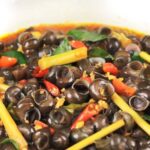
These dishes are a favorite for many, but the hygiene and preparation processes at outdoor eateries may not always meet food safety standards.
Preserve Meat Freshness: Avoid Refrigerating Immediately—Add This Extra Step for Longer Shelf Life and Just-Like-New Cooking Results

Preserving the freshness and flavor of pork for an extended period requires a few insider tips and tricks. With the right techniques, you can enjoy succulent, tender pork that tastes just as delicious as the day it was purchased. Discover the secrets to keeping your pork fresh and flavorful, ensuring every meal is a culinary delight.
“Preschool Teacher Shares Clever Tips for Growing Bean Sprouts Using Milk Cartons and Reveals Eye-Catching Meal Platters”

Discover the simple yet ingenious method of growing bean sprouts using a milk carton, as shared by a dedicated kindergarten teacher. This innovative approach empowers home cooks to cultivate their own fresh and safe food source, ensuring a healthier and more sustainable kitchen.
Is It Safe to Eat Food Gnawed by Rats?

Mice are not only destructive to crops and food supplies but also serve as carriers of dangerous infectious diseases that pose significant risks to human health. If you’ve ever wondered whether consuming food nibbled by mice is safe, we’re here to address this concern with the following insights.