1 Is It Safe to Eat Food Gnawed by Rats?
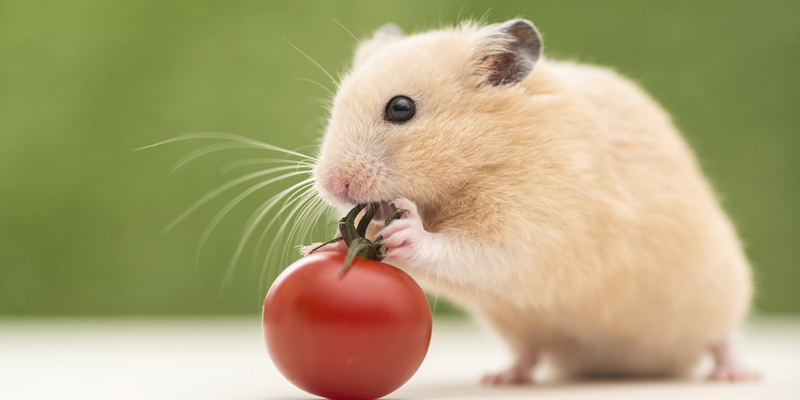
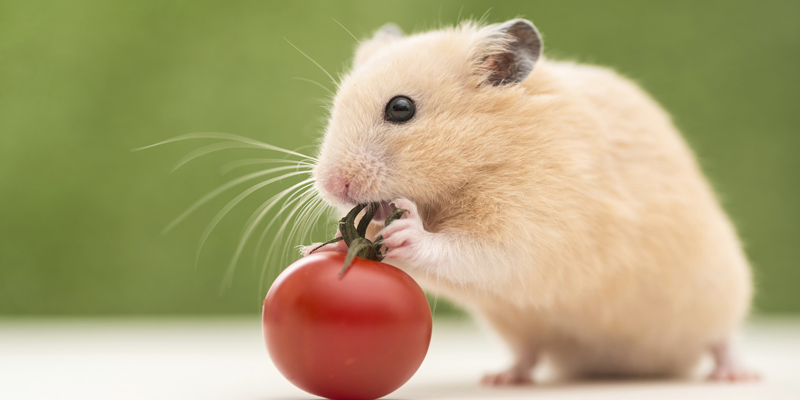
Many people inadvertently store food improperly, leading to rats gnawing on it or carrying it away. However, some individuals, reluctant to waste food, often cut off the gnawed portion and consume the rest.
In reality, food that has been gnawed by rats should never be eaten, even if only a small part has been affected. Rats are carriers of numerous infectious diseases, some of which can be fatal to humans. It is estimated that a single rat can transmit up to 35 different diseases, including plague, Hantavirus, leptospirosis, Salmonella infection, and rat-bite fever.
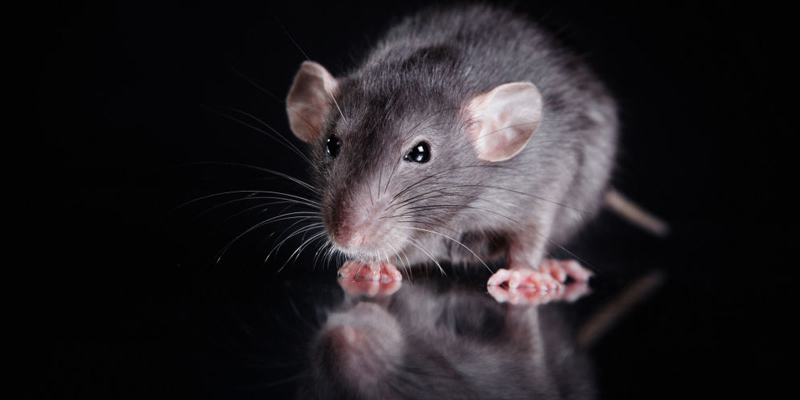
Salmonella bacteria, commonly found in rat droppings, pose a significant risk. Direct contact with contaminated food or rat feces can lead to infection, causing symptoms such as diarrhea, vomiting, and nausea.
2 How to Store Food to Prevent Rat Infestation
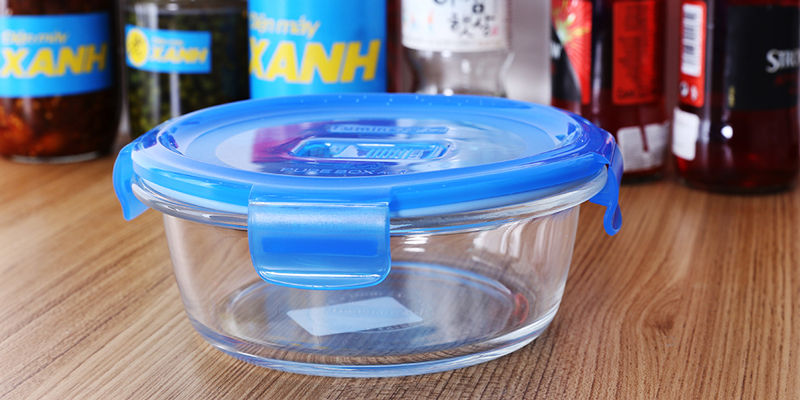
– Store leftover food in airtight plastic containers, either in the refrigerator or at room temperature, ensuring the lid is tightly sealed.
– Avoid using plastic bags for storage, as rats can easily chew through them.
– Never consume food that has been gnawed by rats, regardless of the circumstances.
– Regularly set traps to eliminate rats and protect the health of yourself and your loved ones.
In conclusion, food gnawed by rats should be discarded immediately, regardless of the reason. Additionally, proactive measures such as rat eradication and proper food storage are essential to prevent infestation by rats and other rodents.
“Surprising Trick: Why Putting a Coin in Your Fridge Before a Trip Could Change Everything”

Why should you place a coin in your fridge before heading out on a trip? The answer might just surprise you. Discover the intriguing reason in this article!
Avoid Cleaning Your Fridge Shelves This Way: You’re Spreading Bacteria!
Imagine the last time you cleaned your refrigerator. Did you simply move a few jars aside, wipe down the surfaces, and call it a day? You’re not alone—many of us do the same. But here’s the problem: this approach not only leaves hidden grime behind but can also compromise food safety.
Surprising Hack: A Simple Trick to Chop Onions Without Tears
The compound released when cutting onions—propanethial S-oxide—is notorious for triggering tears in those slicing them. Now, scientists have discovered a straightforward method to minimize this irritation.
Why You Should Avoid Using Aluminum Foil to Wrap Leftovers
Avoid using aluminum foil for storing leftovers. Here’s why: there are safer alternatives to preserve your food effectively.
Expert Reveals: 2 Edible Overnight Foods and 5 to Avoid at All Costs

Uncover the hidden dangers of consuming overnight food and its potential impact on your health. Dive into our insightful article to explore this critical issue further.