
Are Beer and Wine the Same?

Yes, both are alcoholic beverages that undergo fermentation and can cause intoxication, affecting the drinker’s physical and mental state to varying degrees depending on the amount consumed and the manner of consumption.
Whether it’s beer or wine, excessive drinking can lead to loss of control, discomfort, headaches, dizziness, and fatigue after the effects wear off.
How Do Beer and Wine Differ?
Ingredients and Production Process
-
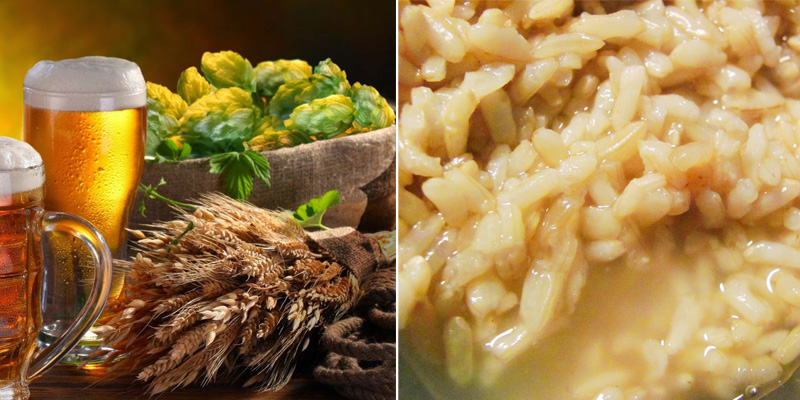
Beer primarily uses barley and hops (beer yeast) as its main ingredients. It undergoes a fermentation process without distillation, resulting in the final product. This process is known as brewing.
-
Wine uses ingredients like glutinous rice, regular rice, brown rice, grains, and wine yeast (herbal sources such as licorice, cinnamon, ginger, fennel, and white peony). After fermentation and distillation, the final product is wine with varying alcohol levels and flavors depending on the ingredients and yeast recipe.
-
Alcoholic beverages made from the fermentation of sugars not derived from grains (such as fruit juices or honey) are not classified as “beer,” even though they use the same yeast and biochemical reactions.
Interestingly, both beer and wine offer captivating flavors that, once accepted by the body, become irresistibly appealing.
Wine Leads to Faster Intoxication
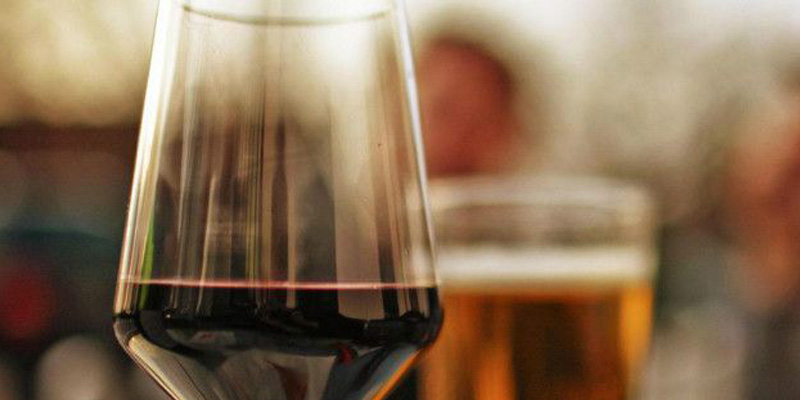
A pint (approximately 570ml) of beer or a full glass of wine typically contains the same alcohol content, equivalent to 2–3 units of alcohol (16–24g) by UK standards.
However, a study from the University of Texas Southwestern Medical Centre revealed:
-
Hard liquor enters the bloodstream the fastest, resulting in the highest blood alcohol concentration.
-
Regular wine follows, reaching its peak blood alcohol level 54 minutes after consumption.
-
Beer takes the longest, with peak blood alcohol levels occurring 62 minutes after consumption.
This explains why wine drinkers tend to become intoxicated more quickly than beer drinkers.
Beer May Cause Faster Weight Gain

A pint of beer (approximately 570ml) contains about 180 calories, 50% more than a small glass of wine. This amount can contribute to weight gain for many individuals.
If you drink beer in a social setting, quickly and without restraint, the phenomenon of a “beer belly” is very real.
Some studies also suggest that wine can increase short-term appetite, leading to overeating.
However, if consumed in moderation and not frequently, this difference is not significant.
It can be confirmed that beer has a higher potential to cause weight gain compared to wine.
Health Benefits of Beer and Wine

Red wines contain the highest levels of polyphenols, which are believed to reduce inflammation and eliminate harmful substances in the body.
Beer also contains a significant amount of polyphenols but offers more modest benefits, similar to white wines, which contain fewer polyphenols than red wines.
Therefore, in the absence of red wine, drinking one beer daily can provide some health benefits. However, this is only true if consumed in small, moderate amounts, not excessively.
Here’s a bit of interesting information to help you better understand the pros and cons of drinking wine and beer. Hopefully, everyone will know how to leverage the benefits!
Source: Healthline
Who Should Avoid Black Bean Decoction and the Risks of Overconsumption

Packed with nutrients, black beans are a powerhouse food, but they’re not suitable for everyone. Who should avoid drinking black bean water, and what are the potential risks of overconsumption?
The Once-Common Hedge Fruit Now a Renowned Health Superfood: Plant Once, Harvest for Years

Adorned in a sleek, deep purple-black hue, the An Giang plum captivates with its signature sweet-and-tangy flavor and a wealth of health benefits, steadily gaining recognition among discerning enthusiasts.
Two Delicious and Irresistible Passion Fruit Glazed Salmon Recipes

Salmon is a nutrient-rich superfood, packed with health benefits. Join us at Bách hóa xanh as we uncover a mouthwatering recipe for salmon with passion fruit sauce, a dish that’s sure to tantalize your taste buds!
What is Plantain Banana? Discover Its Amazing Benefits

Discover the allure of Plantain Bananas, a beloved fruit cherished by families worldwide for its versatility and nutritional benefits. What exactly are Plantain Bananas, and why are they a healthy addition to your diet? Dive into our insightful guide to uncover the answers.
Unleashing Hidden Dangers: The Risks of Improper Passion Fruit Consumption

Experience discomfort after consuming passion fruit, such as bleeding, drowsiness, or fatigue? Seek immediate medical attention at the nearest healthcare facility. Improper consumption of passion fruit can lead to serious health risks. Explore the potential dangers and learn how to enjoy this fruit safely with our insightful guide below.