
















Imagine a bubbling cauldron of fiery red broth, neatly arranged slices of meat, the quick dip into the pot, a generous dunk in the sauce, and then… pure delight.
That, my friend, is the essence of winter. But have you ever wondered about this:
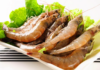
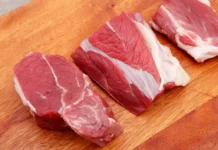
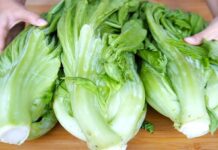
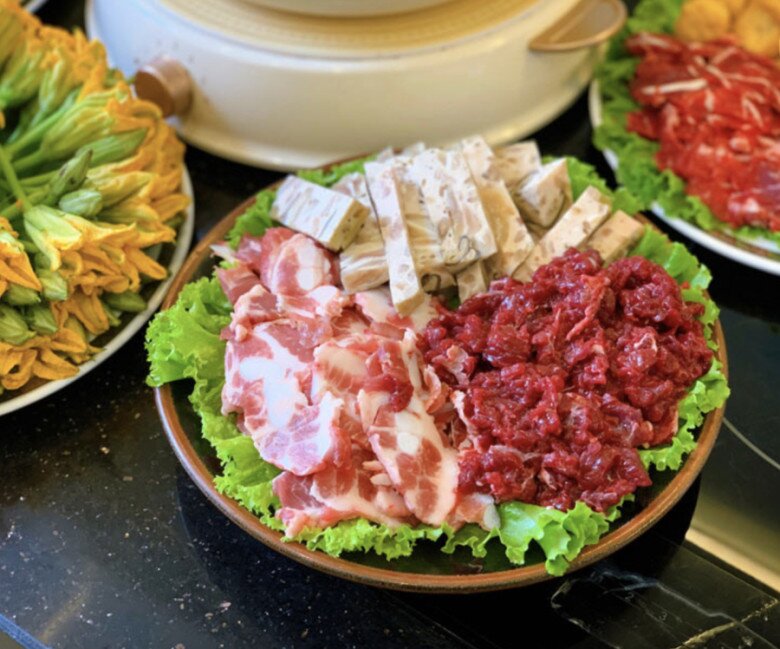
Whether it’s beef, chicken, buffalo, offal, shrimp, or squid, when served, there’s always a vibrant lettuce leaf beneath. Some find it cumbersome, brushing it aside while grabbing the meat; others assume it’s a side dish, tossing it straight into the simmering pot.
In reality, that seemingly ordinary lettuce leaf holds a “secret” known only to seasoned hot pot enthusiasts. A true connoisseur can tell at a glance: this owner understands both business and the art of dining.

The truth is, this lettuce isn’t just casually placed there, nor is it merely decorative or used to bulk up the plate. Its every function caters to both the diner’s needs and the restaurant’s efficiency. One restaurant owner shares, “Many young diners don’t understand, some even think I use lettuce to skimp on meat. But this is a decades-old industry rule.”
The origin of this “rule” lies in solving the awkwardness of serving meat.
Whether it’s frozen or fresh sliced meat, left on a plate for too long, it tends to release red juices or stick stubbornly. When picked up, it drags along messy liquids, causing the meat to fall apart and ruining the hot pot experience.
The lettuce’s primary function is moisture absorption and non-stick protection.
The owner explains, especially with frozen rolled meat, once thawed, it releases water and some meat juices. Placing it directly on a white porcelain plate looks unappetizing and sticks easily. But with a lettuce leaf underneath, it’s a different story. The leaf’s intricate veins have powerful moisture absorption, soaking up excess liquid. The meat appears dry, neat, and easy to pick up without mess.
Additionally, the lettuce’s smooth surface reduces friction between the meat and plate. No matter the type of meat, it won’t stick stubbornly.

Beyond practicality, lettuce is a “beauty enhancer”
Don’t underestimate this green leaf. In culinary aesthetics, red paired with green stimulates the appetite.
Fresh red beef or pristine white fish placed on a bed of vibrant green lettuce instantly stands out, looking irresistibly appetizing.
The owner reveals, customers have commented that the same amount of meat looks more generous when served on lettuce. While it may seem exaggerated, it’s not entirely untrue. The lettuce’s slight curvature and puffiness lifts the meat slightly, making the portion appear fuller, not flat and sparse.

This is a subtle psychological tactic by restaurants—a few cents’ worth of lettuce makes customers feel they’re getting their money’s worth.
More importantly, lettuce helps restaurants cut costs.
Don’t think that with so many dishes, washing a few more is no big deal. During peak hours, dishwashers are working overtime.
If meat is placed directly on the plate, fat, meat juices, and seasonings cling stubbornly, requiring repeated scrubbing with detergent—wasting both water and time.
With lettuce underneath, it absorbs all the fat and juices, leaving the plate nearly clean. A quick rinse, and it’s ready for reuse, speeding up turnover and saving labor and detergent.
The owner shares: “A single lettuce leaf saves countless dishwashers’ backs—those who understand, understand.”
So, is this lettuce edible?
A gentle reminder: It’s best not to eat it.
Not because the lettuce is bad, but because its role is as a plate liner. When purchasing, restaurants may choose less perfect leaves, and the washing process isn’t as thorough as for lettuce meant for direct consumption.
More importantly, having absorbed meat juices and fats, it carries unfamiliar odors. Even if dipped into the hot pot, it can alter the broth’s flavor.
In fact, this lettuce detail reflects the subtlety of hot pot culture.
Lettuce is cooling and mildly flavored, balancing the richness of meat without overwhelming other ingredients.
Moreover, in many cultures, “lettuce” symbolizes luck and prosperity. During festive hot pot meals, a lettuce leaf beneath the meat is like a silent wish for good fortune.
Today, many hot pot restaurants use lettuce for both meat and vegetable dishes—partly for uniformity, partly to honor tradition, blending everyday dining with a touch of ritual.
Next time you enjoy hot pot, don’t dismiss that lettuce leaf. Ponder its hidden meanings, and you’ll be considered a true insider. And who knows? You might just enlighten your friends, earning some serious respect.
“Surprising Superfood: Vietnam’s Affordable Everyday Vegetable Named Among the World’s Best for Youthful Skin and a Slimmer Figure”
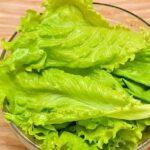
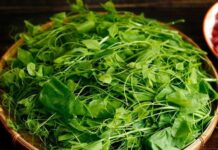
Lettuce, a staple in Vietnamese cuisine, has surprisingly earned its place among the world’s healthiest greens. Beyond its disease-preventing properties, this leafy vegetable is a secret weapon for weight management, skin nourishment, and prolonging youth—a simple yet powerful addition to your daily diet.
The Ultimate Guide to Making Delicious Hot Pot Broth
If delicious grilled dishes are determined by the art of marination, then the ultimate culinary experience lies in the hands of the master grillers. The secret to mouth-watering flavors and tantalizing aromas is not just in the spices, but in the masterful techniques of those behind the grill. Prepare to embark on a journey of taste sensations as we unveil the mysteries behind the perfect grill.
The Ultimate Guide to Cooking Crab and Beef Hot Pot that will Blow Your Mind
Crab and Beef Brisket Hot Pot: A Delectable Delicacy for All
Crab and beef brisket hot pot is an exquisite culinary delight, cherished by food enthusiasts far and wide. This sumptuous dish, a harmonious blend of savory flavors and aromatic spices, has earned a special place in the hearts of many. With its tantalizing broth, tender beef, and the subtle sweetness of crab, it’s no wonder this meal has become a beloved favorite.
Should You Eat Rice, Vegetables, or Meat First? Experts Weigh In.
Eating habits vary across cultures and individuals, and the order in which we consume different food groups has sparked curiosity. Some prefer to eat their meat and rice first, saving vegetables for last, while others advocate for the opposite sequence, starting with vegetables. But which approach offers the optimal nutritional benefit?
The Ultimate Guide to Marinated Grilled Meat: How to Create Tender, Flavorful Dishes That Rival Restaurant Quality
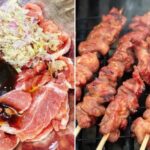
When it comes to marinating meat for grilling, the art lies in knowing which ingredients to use and which to avoid. It’s a delicate balance of flavors and knowledge that ensures your dish turns out tasty and savory.