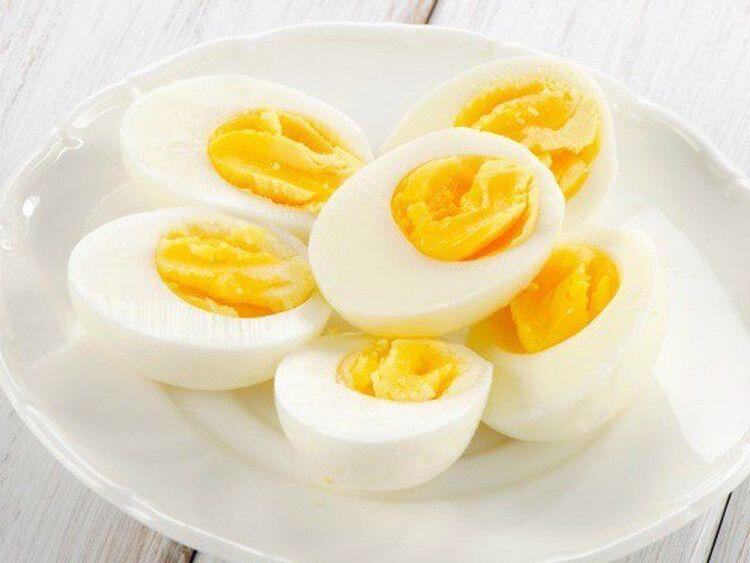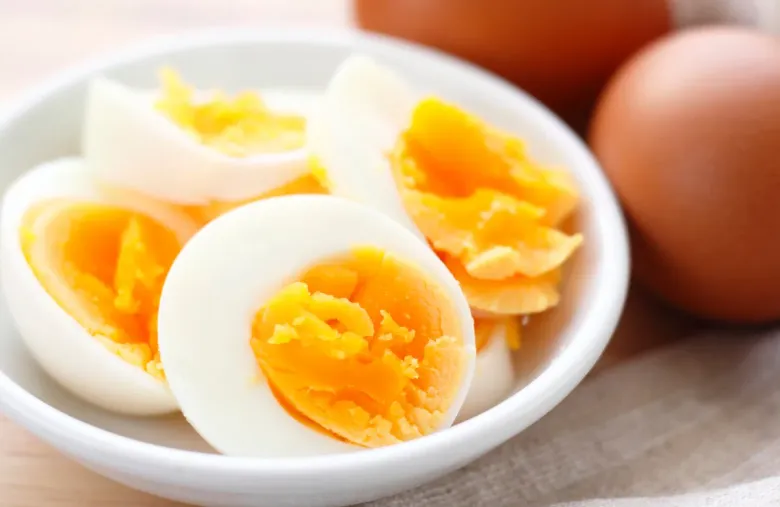
Eggs are a versatile ingredient, perfect for frying, scrambling, steaming, or stir-frying. However, boiling eggs remains the simplest method to preserve their natural flavor. Yet, many struggle with cracked shells, oozing whites, or difficult peeling. Questions often arise about using cold or hot water and the ideal boiling time for perfect eggs.
Experienced chefs share their secrets for perfectly boiled eggs—evenly cooked, flavorful, and easy to peel. Here are some essential tips:
1. Soak Eggs in Warm Water Before Boiling
After cleaning, don’t rush to boil the eggs. Soak them in warm water for about 30 minutes, especially if they’re straight from the fridge.
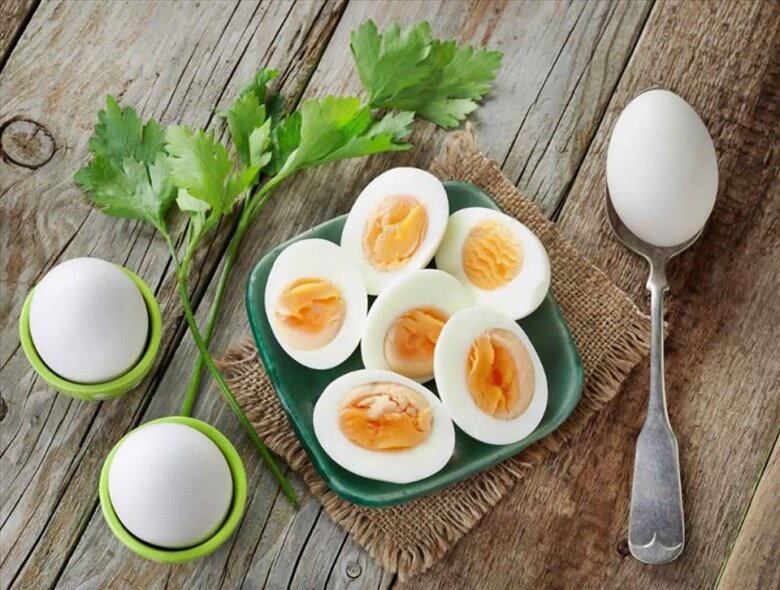
This gradual temperature increase prevents thermal shock when exposed to hot water, reducing cracks and ensuring even cooking.
2. Add a Pinch of Salt or Vinegar to the Water
When adding eggs to the pot, cover them with water and add a pinch of salt or a few drops of white vinegar.
This softens the shell and helps separate it from the white, making peeling easier. It also prevents leakage if the shell cracks slightly.
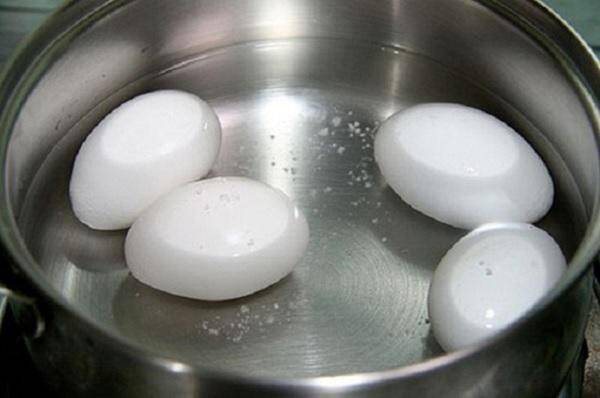
Additionally, salt or vinegar helps coagulate the white if a crack occurs, preventing spillage during boiling.
3. Start Boiling in Cold Water
A crucial rule for boiling eggs is to place them in cold water before heating.
Gradual heating ensures even cooking, reducing shell cracks. Dropping eggs into boiling water can cause thermal shock, leading to cracks or uneven cooking.
4. Keep the Lid On
Keep the pot covered during boiling to maintain consistent heat.
Removing the lid disrupts even boiling, leading to uneven cooking. A covered pot ensures even heat distribution, preventing cracks and ensuring uniform cooking.
5. Time It Perfectly
Boiling time is critical. After the water boils, cook for 9-11 minutes for perfectly set eggs.
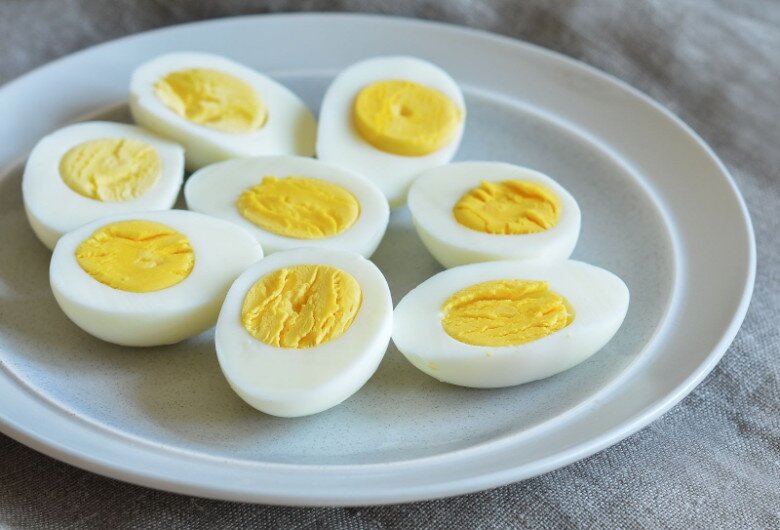
This timeframe ensures fully cooked yolks that remain tender and nutritious. Under-boiling risks bacteria, while over-boiling dries the yolks and reduces flavor.
Peeling Tip
After boiling, plunge eggs into cold water or ice for a few minutes. The temperature shift causes the membrane to shrink, making peeling effortless and keeping the eggs smooth.
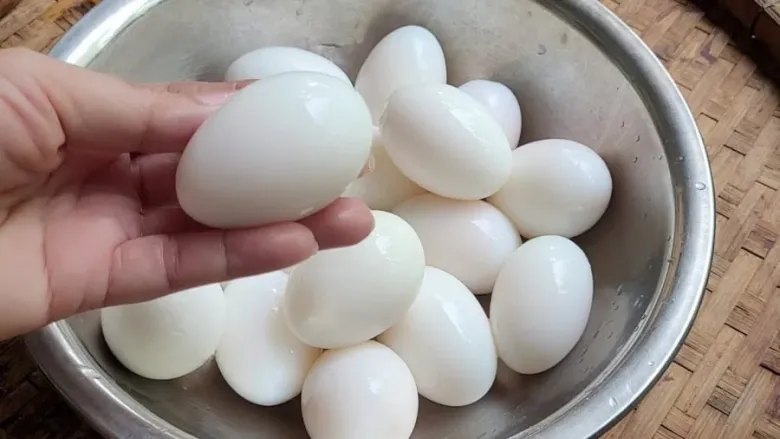
With simple steps like warm soaking, cold-water boiling, adding salt or vinegar, and precise timing, you’ll achieve perfectly boiled eggs—crack-free, easy to peel, and deliciously natural.
Boiled Eggs vs. Fried Eggs: Which is the Healthier Choice?

{“error_type”:”NO_VALID_RESPONSE_GENERATED”,”id”:”bbf64cba-019e-4460-8e3a-690f4163c4f9″,”message”:”No valid response generated. Try updating messages”}
“Boiling Eggs in Hot or Cold Water is a Mistake: Master These Tips for Perfectly Peeled Eggs Every Time”

When boiling eggs, keep these tips in mind for perfectly delicious, visually appealing, and easy-to-peel results every time.
The Ultimate Guide to Perfectly Boiled Eggs: 2 Waterless Methods Revealed
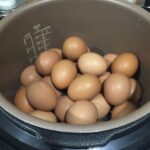
Have you ever tried boiling eggs without water? If you haven’t, now is the time to explore these two unique methods of egg boiling that don’t require a single drop of water!
“The Power of Protein: How Eating Two Boiled Eggs Daily Can Help You Lose Weight”
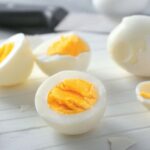
For those committed to a healthy diet to manage their weight or improve their overall health, a common question arises: How many calories are in two boiled eggs?
Add a Few Lemon Slices to Boiled Eggs: Unveil 3 Magical Benefits Anyone Will Love
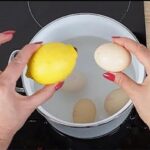
By adding a few slices of lemon or a dash of lemon juice to the water when boiling eggs, you unlock three remarkable advantages.