Nutritional Value of Eggs
The ratio of nutrients in eggs is well-balanced and proportionate. The egg yolk contains 13.6% simple proteins in a dissolved state, 29.8% fats, and 1.6% minerals. Meanwhile, the egg white primarily consists of Albumin and a relatively comprehensive range of Amino Acids.
Minerals such as Iron, Zinc, Copper, and Manganese are mostly concentrated in the yolk. The egg white contains water-soluble vitamins (B2, B6). The yolk not only contains water-soluble vitamins (B1, B6) but also fat-soluble vitamins like Vitamin A, D, and K.
These are essential nutrients for the body. Therefore, eggs should not be overlooked when planning daily meals. However, how can we prepare eggs to maximize nutrient absorption?
Boiled or Fried Eggs: Which is Better?
According to Dr. Lê Thị Hải from the Institute of Nutrition, consuming raw eggs or mixing them into hot porridge or soup is not recommended due to the risk of bacterial contamination, particularly Salmonella, which can cause food poisoning.
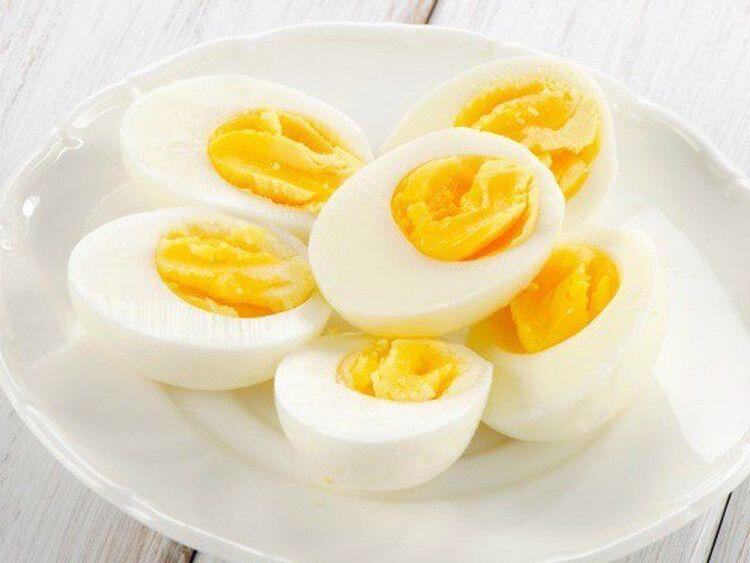
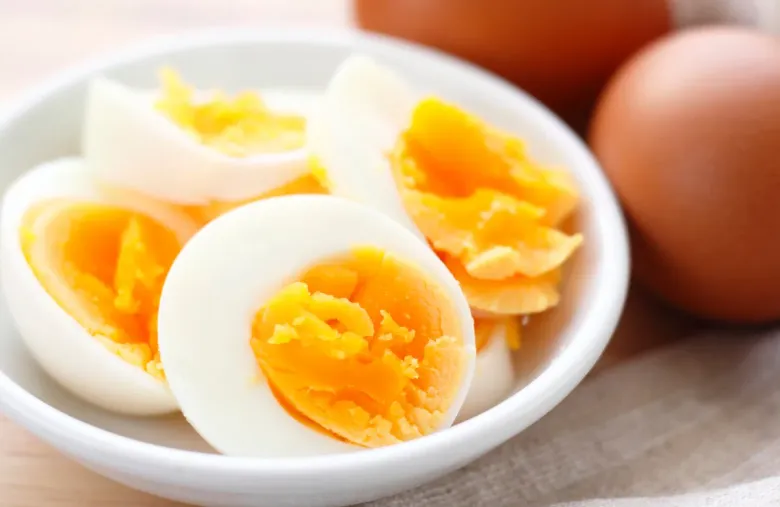
Thus, boiling eggs is the safest option to eliminate potential health risks. Additionally, boiling ensures optimal absorption of Vitamin H, a crucial factor in protein and carbohydrate metabolism, essential for normal bodily development.
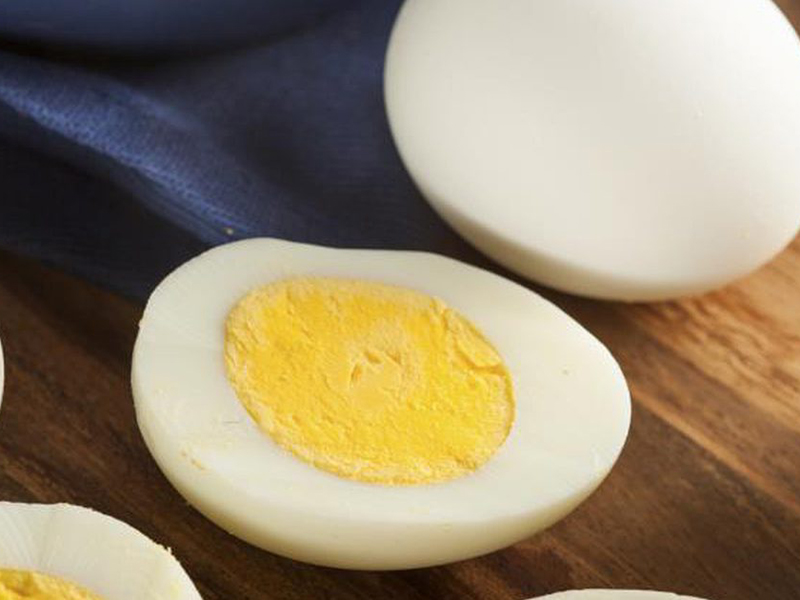
Research confirms that the body’s absorption and digestion rates are 40% for raw eggs, 100% for boiled eggs, 98.5% for lightly fried eggs, 81% for well-done fried eggs, 85% for scrambled eggs, and 87.5% for steamed eggs. This highlights that boiled eggs are superior to fried eggs in retaining nutrients like Protein, Lipids, and Minerals, with minimal vitamin loss.

Furthermore, frying eggs in oil increases saturated fat content, which is detrimental to individuals with obesity, cardiovascular issues, and other health conditions. Therefore, boiling is the best method for preparing eggs.
For optimal nutritional benefits, boiled eggs are the ideal choice. Stay tuned for more insightful updates from us!
“Boiling Eggs in Hot or Cold Water is a Mistake: Master These Tips for Perfectly Peeled Eggs Every Time”

When boiling eggs, keep these tips in mind for perfectly delicious, visually appealing, and easy-to-peel results every time.
Mastering the Art of Eating Avocado: Proper Techniques and Essential Tips

Avocado is a nutrient-rich, delicious fruit beloved by many. However, not everyone knows how to enjoy it properly. This guide will teach you the correct way to eat avocado to maximize its nutritional benefits and provide essential tips for a perfect avocado experience.
5 Natural Biotin Powerhouses for Rapid Hair Growth: Consistency is Key to Noticeable Results
Biotin deficiency is a common culprit behind weak, brittle hair that’s prone to breakage and slow regrowth. Fortunately, you can naturally boost your biotin levels through a variety of foods, offering a simple yet effective solution to strengthen your hair from within.
Brown Rice: A Nutritional Powerhouse, But Not for Everyone

Brown rice is a highly nutritious grain, widely embraced for its health benefits, particularly for those managing diabetes or following a diet. However, is it suitable for everyone? Are there specific groups who should avoid consuming it regularly? Discover the answers in our insightful article.
“Elevate Your Fried Eggs: Add These 2 Ingredients for Fluffy, Flavorful Perfection—No More Dry or Hard Eggs!”

With just a few simple tweaks, your everyday fried eggs can transform into a mouthwatering delight, elevating your family meals to a whole new level of deliciousness.