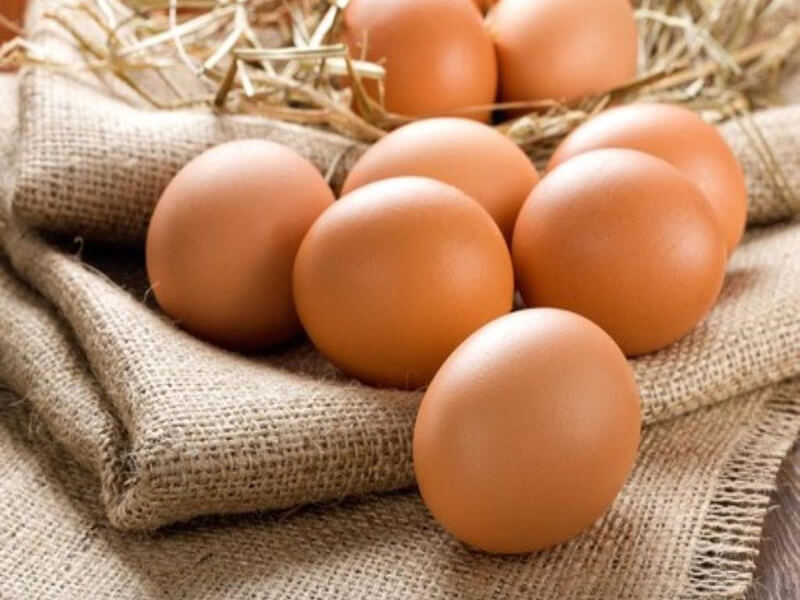
Specifically, vitamins B1 and B2 play a crucial role in boosting energy metabolism, combating aging, and strengthening the body’s immune system.
Additionally, eggs are rich in choline, an essential nutrient for synthesizing neurotransmitters in the brain and a vital component of cell membranes. Choline nourishes the nervous system, enhances memory, helps prevent cognitive decline, and improves focus.
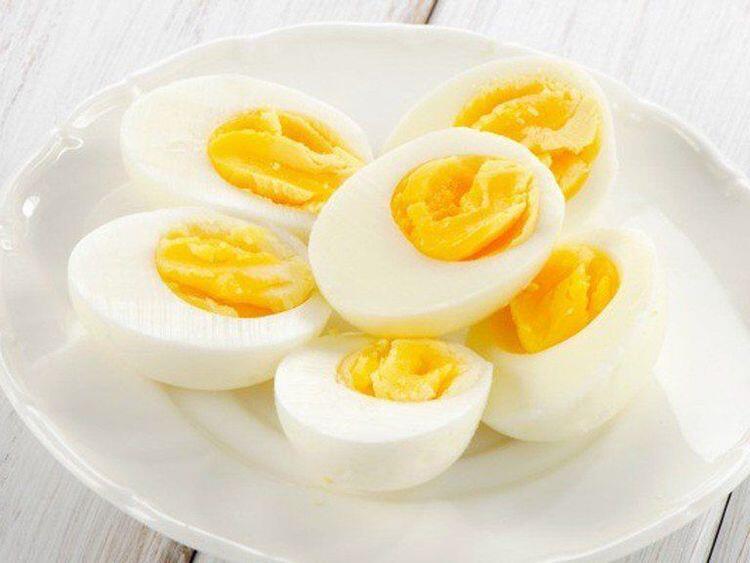
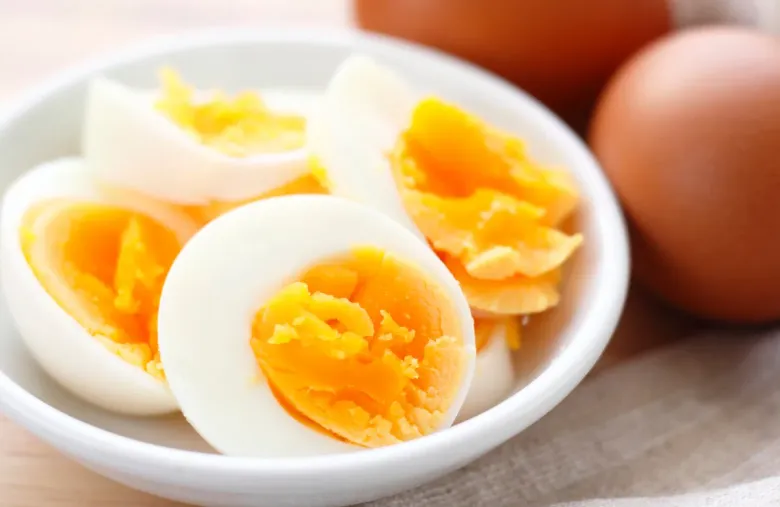
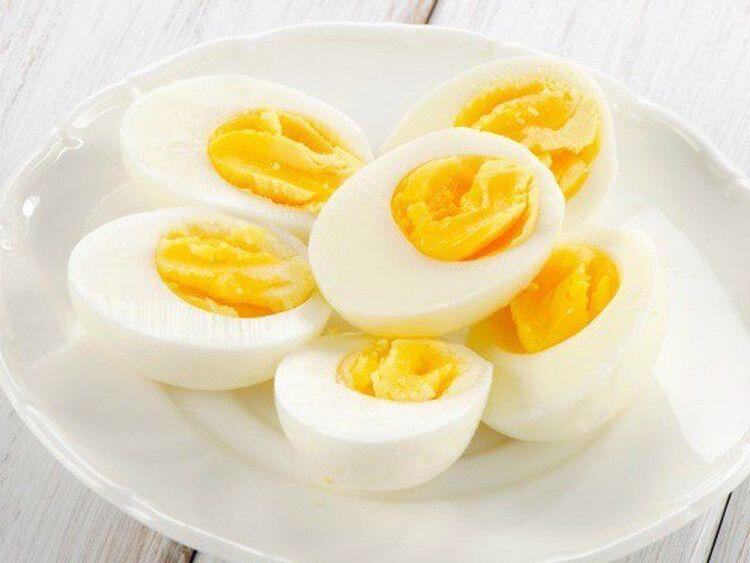
Beyond their nutritional value, eggs can be prepared in a variety of delicious ways, including boiling, steaming, frying, stir-frying, baking, or making into soups. Among these, boiled eggs remain a favorite for their original flavor.
However, many people struggle with peeling boiled eggs, as the whites often stick to the shell, causing the egg to crack and become unappealing, while also wasting time. According to experienced chefs, this issue may arise from omitting a crucial ingredient during boiling.
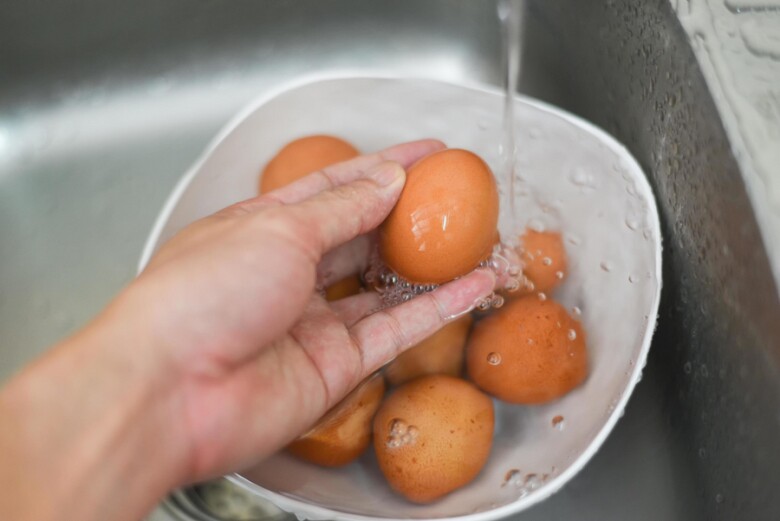
Wash eggs thoroughly before boiling
Freshly purchased eggs should be washed to remove dust and impurities from the shell. Place the eggs in the pot before adding water.
Boil with cold water instead of hot water
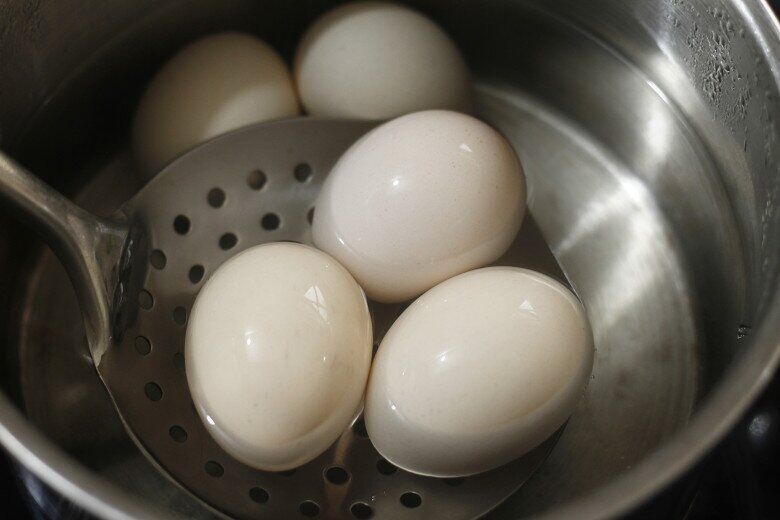
Add cold water to cover the eggs before starting to boil. Avoid using hot water from the beginning.
Placing eggs in hot water may reduce cooking time but can cause thermal shock, leading to cracked shells. This allows water to seep into the egg, making it bland and less clean.
Conversely, cold water allows the eggs to heat gradually, minimizing cracking. The eggs retain their shape and preserve the internal protein structure.
Add a splash of white vinegar to the pot
This is a widely used tip among chefs.
Adding a small amount of white vinegar to the boiling water softens the calcium on the eggshell, making it easier to separate the shell from the inner membrane. As a result, the eggs peel effortlessly with minimal cracking.
Moreover, vinegar enhances the texture and flavor of the boiled eggs.
Boil for the right duration and avoid high heat
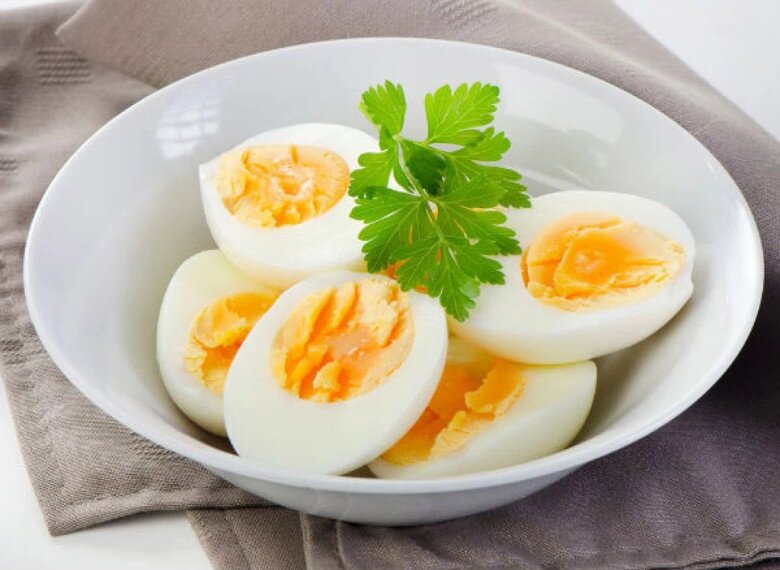
The ideal boiling time is 8-10 minutes for perfectly cooked and flavorful eggs.
During boiling, maintain medium heat. High heat causes the eggs to knock against each other, increasing the risk of cracking and allowing water to penetrate, resulting in a bland taste.
Immerse in cold water after boiling
Once the eggs are cooked, remove them and place them in a bowl of cold water.
This method cools the eggs quickly and helps separate the shell from the whites, making peeling easier.
Wishing you success in your cooking!
“How to Make Delicious and Savory Braised Pork with Eggs at Home”
Savor the essence of Vietnamese cuisine with thịt kho trứng, a beloved and flavorful dish that’s both simple to prepare and irresistibly delicious. Discover the easy steps to master this classic recipe in the article below.
What Happens When You Eat Eggs Daily?

Many believe that consuming eggs daily is unhealthy due to their high cholesterol content. However, numerous studies have shown that consistently eating one egg per day can yield surprising benefits. Let’s explore the truth together.
“Affordable, Nutritious Breakfast Secrets of High-Society Lady Tăng Thanh Hà”

Start your day like a star with a nutrient-packed breakfast inspired by Tăng Thanh Hà. This simple yet powerful combo of sweet potatoes and boiled eggs fuels your morning with sustained energy, delivering healthy carbs and skin-loving protein for a radiant glow and a fit physique.
“Boil Eggs Perfectly: Avoid Cracks and Peeling Hassles with This Simple Trick”
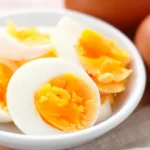
Unlock the secret to perfectly peeled boiled eggs with this game-changing technique. Say goodbye to frustrating shell fragments and hello to smooth, pristine eggs every time. Try it now and elevate your egg-boiling game to a whole new level!
Boiled Eggs vs. Fried Eggs: Which is the Healthier Choice?

{“error_type”:”NO_VALID_RESPONSE_GENERATED”,”id”:”bbf64cba-019e-4460-8e3a-690f4163c4f9″,”message”:”No valid response generated. Try updating messages”}