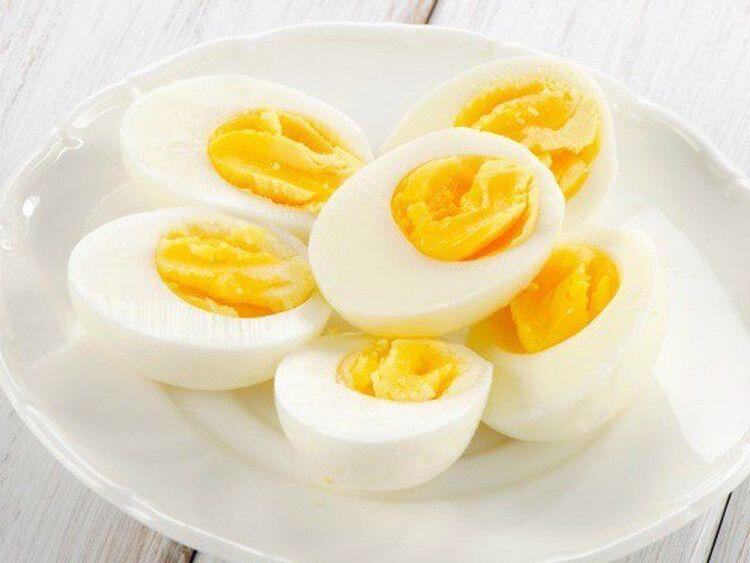
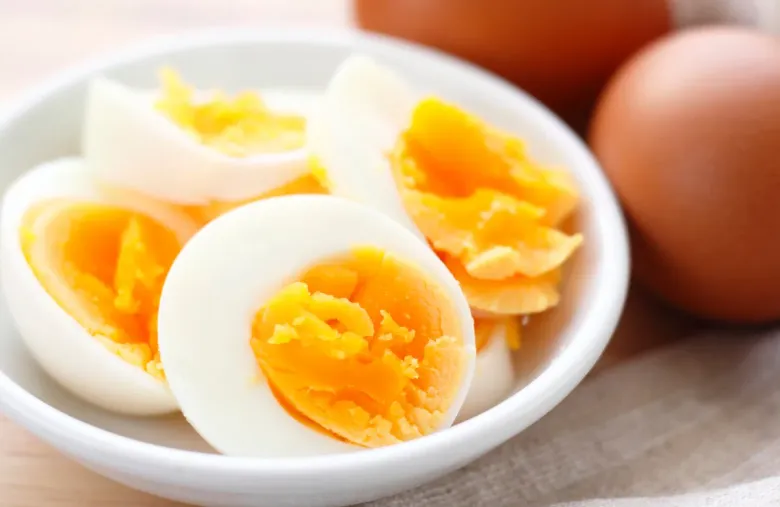
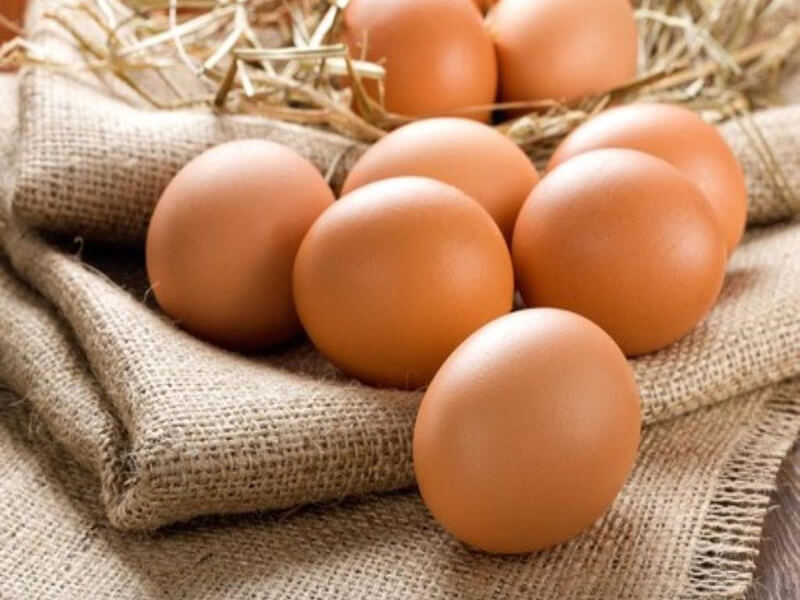
Eggs can be transformed into countless delicious dishes, from fried to steamed, sautéed, braised, or baked. However, when it comes to retaining natural nutrients, minimizing oil, and promoting health, boiled eggs remain the top choice. Yet, achieving perfectly boiled eggs with a tender yolk, soft whites, intact shells, and an appealing appearance is an art not everyone masters.
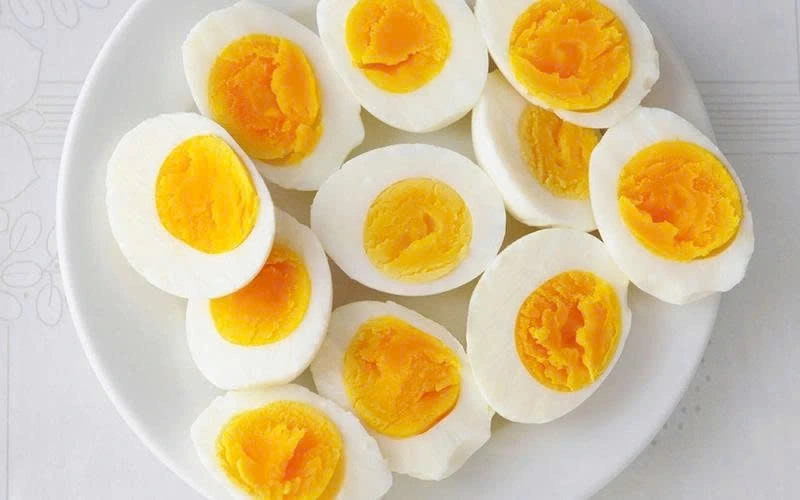
Many people simply place eggs in a pot, add water, and turn on the stove. While quick, this method often leads to cracked shells, spilled whites, uneven cooking, or overcooked eggs. To achieve perfectly boiled eggs, consider the following tips.
1. Soak Eggs Before Boiling – A Small Step with Big Impact
Most store-bought eggs have been stored for a while, causing their shells to lose natural moisture and altering their internal structure. Before boiling, soak eggs in clean water for 5–10 minutes. This stabilizes their temperature, reduces thermal shock when exposed to hot water, and minimizes the risk of cracking during cooking.
Additionally, inspect eggs during soaking and discard any with small cracks, as they are likely to break during boiling.
2. Avoid Placing Eggs in Boiling Water
This is a common mistake when boiling eggs.
Starting eggs in cold water prolongs heating, making the whites tough and the yolks dry, losing their natural richness.
Conversely, placing eggs in vigorously boiling water exposes them to extreme heat, causing them to knock against the pot or each other, leading to cracked shells.
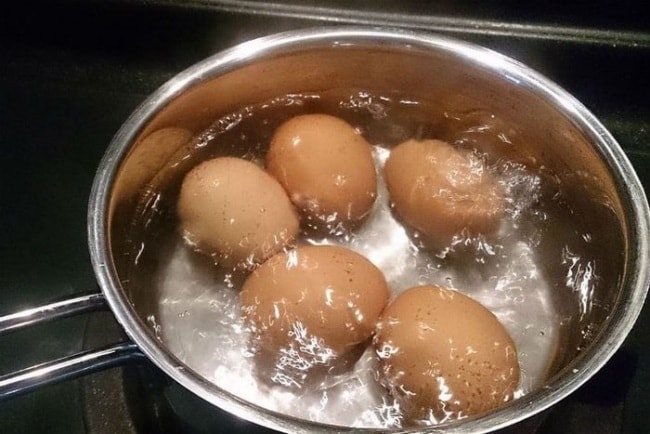
The ideal approach is to heat water to around 60–70°C, where it’s hot but only gently simmering. Carefully lower each egg into the pot. This stable temperature allows the egg proteins to set gradually, ensuring even cooking and minimizing cracks.
3. Use Medium or Low Heat for Tender Eggs
After adding eggs, avoid high heat. Intense boiling causes the eggs to knock against each other, toughens the whites, and results in a dry texture.
Professional chefs maintain a gentle simmer. This even heat distribution ensures the eggs cook uniformly.
Ideal cooking times vary by egg size:
– 6–7 minutes: Runny yolks, rich and creamy.
– 8 minutes: Just-set yolks, tender and buttery.
– 9–10 minutes: Fully cooked yolks, dry but flavorful.
– Avoid overcooking, as yolks may turn gray-green around the edges, becoming crumbly and less tasty.
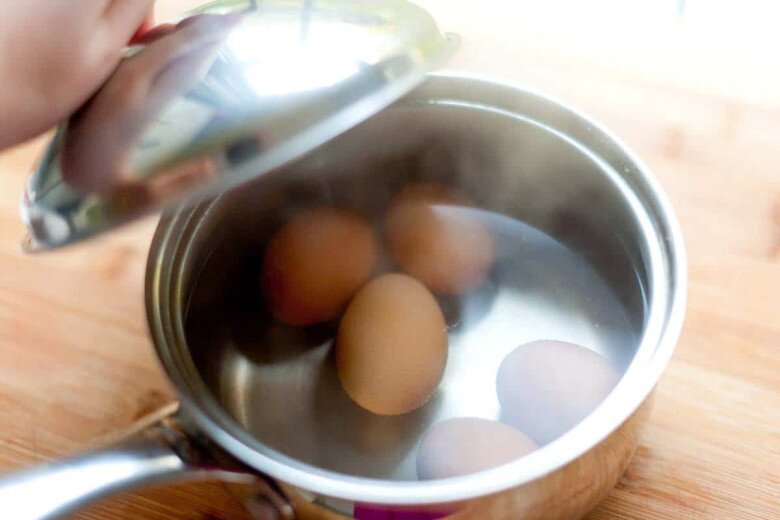
4. Add a Pinch of Salt and a Few Drops of Vinegar
A simple yet effective tip is to add a pinch of salt and a few drops of white vinegar to the pot.
Salt prevents cracking and firms up the whites, while vinegar softens the thin membrane inside the shell, making peeling easier and reducing white residue.
Use 1/2 teaspoon of salt and 1 teaspoon of white vinegar for 5–7 eggs.
5. Cool Eggs in Cold Water Immediately After Boiling
This secret ensures easy peeling.
After boiling, the proteins are still expanded from the heat. Plunging eggs into cold water or ice causes the whites to contract slightly, creating a small gap between the egg and shell.
This allows the shell to peel off in large pieces, leaving a smooth, residue-free surface.
Cold water also stops further cooking, preserving the desired yolk texture.
Perfect Boiled Eggs at Home
Ingredients
– Chicken eggs
– Salt
– White vinegar
– Clean water
– Cold water or ice cubes
Instructions
Step 1: Wash eggs and soak for 10 minutes.
Step 2: Heat water to a gentle simmer and carefully add eggs.
Step 3: Add a pinch of salt and 1 teaspoon of white vinegar.
Step 4: Reduce heat and boil for 8–10 minutes, depending on desired doneness.
Step 5: Remove eggs and cool in cold water for 3–5 minutes before peeling.
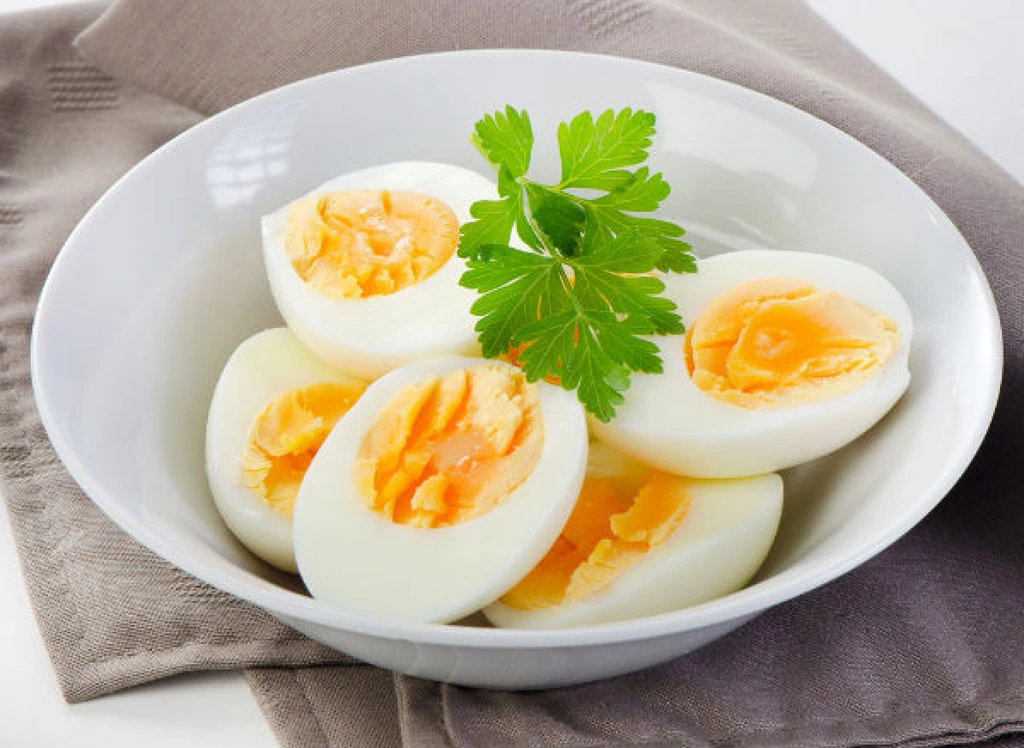
The result is perfectly boiled eggs with tender whites and buttery yolks, enhanced by natural sweetness. Enjoy them with salt, pepper, and lime, dipped in fish sauce, in salads, or paired with braised dishes for a delightful meal.
Irresistible Roasted Peeled Potatoes: A Mom’s Secret Recipe You’ll Want to Try Now!

During the roasting process, soaking the potatoes in this special brine ensures each tuber is infused with a tantalizing aroma and a melt-in-your-mouth sweetness that captivates the heart.
“Boil Pork Intestines with This Secret Ingredient for Crispy Perfection: The Ultimate Dipping Sauce Recipe”

Unlock the secret to perfectly tender, crispy, and restaurant-quality boiled offal right in your own kitchen. With just a few insider tips, you’ll master the art of achieving that irresistible texture and pristine white color every time. Elevate your home cooking and impress your guests with this simple yet game-changing technique.
2 Delicious and Nutritious Oyster and Green Cabbage Soup Recipes for the Whole Family
Unlock the secret to crafting a refreshing and nourishing green mustard greens and oyster soup, perfectly balanced to eliminate any fishy taste. This unique, cooling dish not only delights the palate but also revitalizes your family’s well-being with its wholesome goodness.
Crispy Fried Tofu: The Secret to Golden, Tender Bites Without Falling Apart

Unlock the secret to perfectly fried tofu with these simple yet powerful techniques. Elevate your dish to a 10/10 in both flavor and presentation, ensuring every bite is a delight!
Crispy Fried Meat Marinade: Achieve Perfect Flavor Without Burning

Discover the secret to perfectly fried meat that’s tender, flavorful, and never burnt. Master the art of marination using simple, accessible ingredients like wine, baking soda, garlic, parsley, and five-spice powder for mouthwatering results every time.